

Oil and Gas Storage Solutions
Oil & Gas Storage Solutions for Heavy Loads and Fast Access
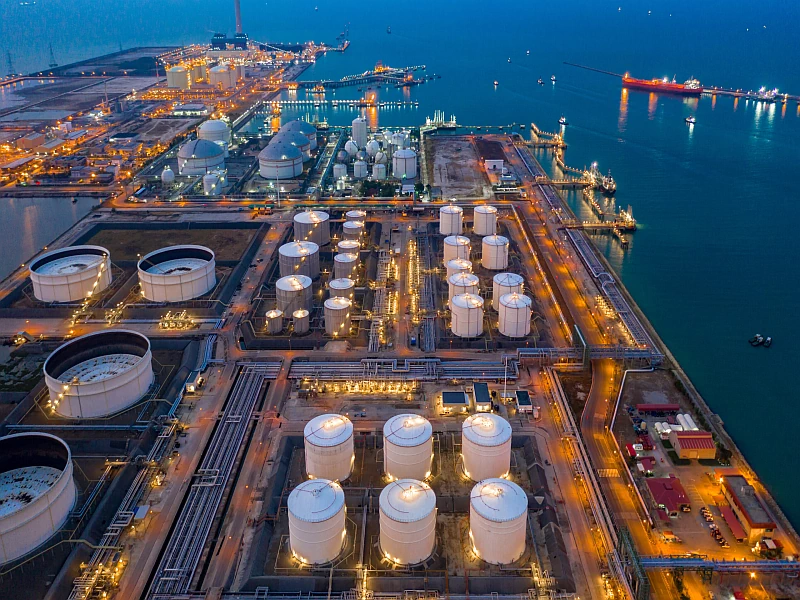
Oil and gas operations depend on storage systems that can handle extreme weight, protect high-value materials, and still keep loading and unloading fast. From drilling consumables to maintenance spares and pipe accessories, the right racking or shelving layout reduces handling time, improves safety, and keeps critical items available when operations cannot afford delays.
Why Oil & Gas Warehouses Need Specialized Storage
Oil and gas sites face higher load requirements, stricter safety expectations, and a wider mix of item types than most industrial environments. Storage must support rapid movement of goods while preventing damage, misplacement, and unsafe stacking.
Core Requirements: Heavy Loads, Speed, and Safety
Safe handling of heavy and bulky inventory
Many oil and gas items are dense, oversized, or stored in long lengths. A storage system must be engineered for high load ratings and stability to prevent rack deformation, product damage, and operational downtime.
Fast access for frequent loading and unloading
This is a fast-moving industry where staging and dispatch must stay clear. Storage should support straightforward forklift access, predictable pick paths, and controlled staging zones so trucks are loaded quickly and incoming materials are put away without congestion.
Protection for high-value and mission-critical parts
Critical spares and specialized components need controlled locations and clear identification. Organized storage reduces search time and helps ensure the right part is issued at the right time, especially during shutdowns, maintenance windows, and urgent repairs.
Common Oil & Gas Storage Challenges LinkMisr Solves
Mixed inventory sizes in the same facility
Oil and gas storage often includes pallets, crates, long items, small spares, and consumables. The best results come from zoning inventory by handling method and usage frequency, then matching each zone with the right storage type.
Limited space, high throughput
When space is tight, the solution is not only to increase density but to do it without slowing access. Layout planning should balance aisle widths, forklift turning needs, and staging space to maintain speed even during peak inbound or outbound activity.
Safety compliance and operational risk reduction
Heavy loads increase risk if storage is not engineered correctly. Proper beam selection, anchoring, rack protection, and clear load signage reduce incidents and create a safer daily workflow for warehouse teams.
Storage Systems That Fit Oil & Gas Operations
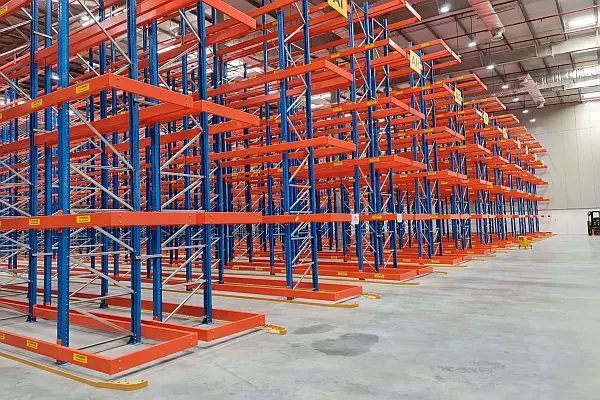
Heavy-duty pallet racking for high-capacity storage
For palletized inventory and heavy materials, heavy-duty pallet racking provides strong load performance with structured locations and predictable access. It supports rapid forklift handling, improves space planning, and reduces unsafe floor stacking.
Cantilever racking for long and oversized items
Long products require storage that supports length, prevents bending, and allows safe side loading. Cantilever configurations are often used for pipes, profiles, and long components where quick access and clear visibility matter.
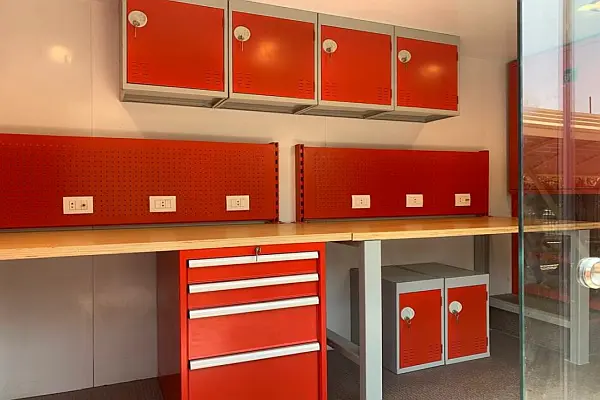
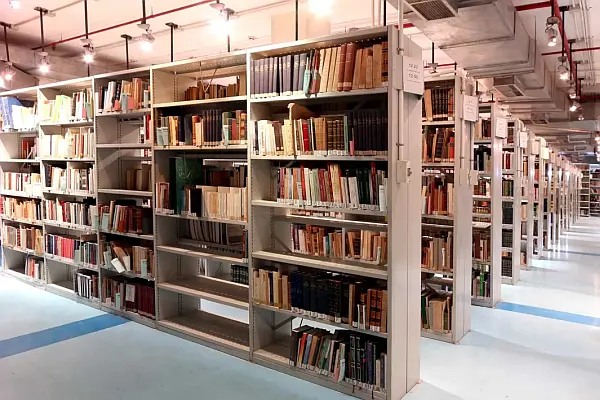
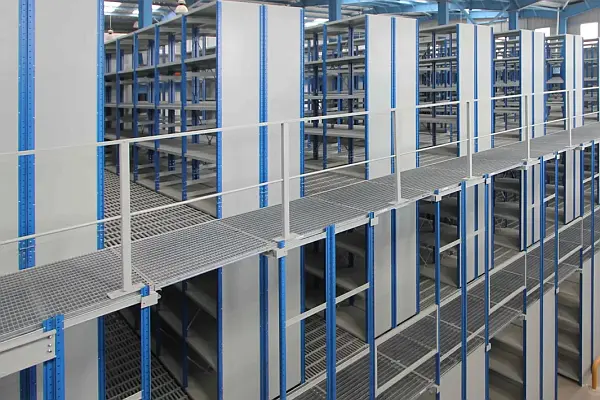
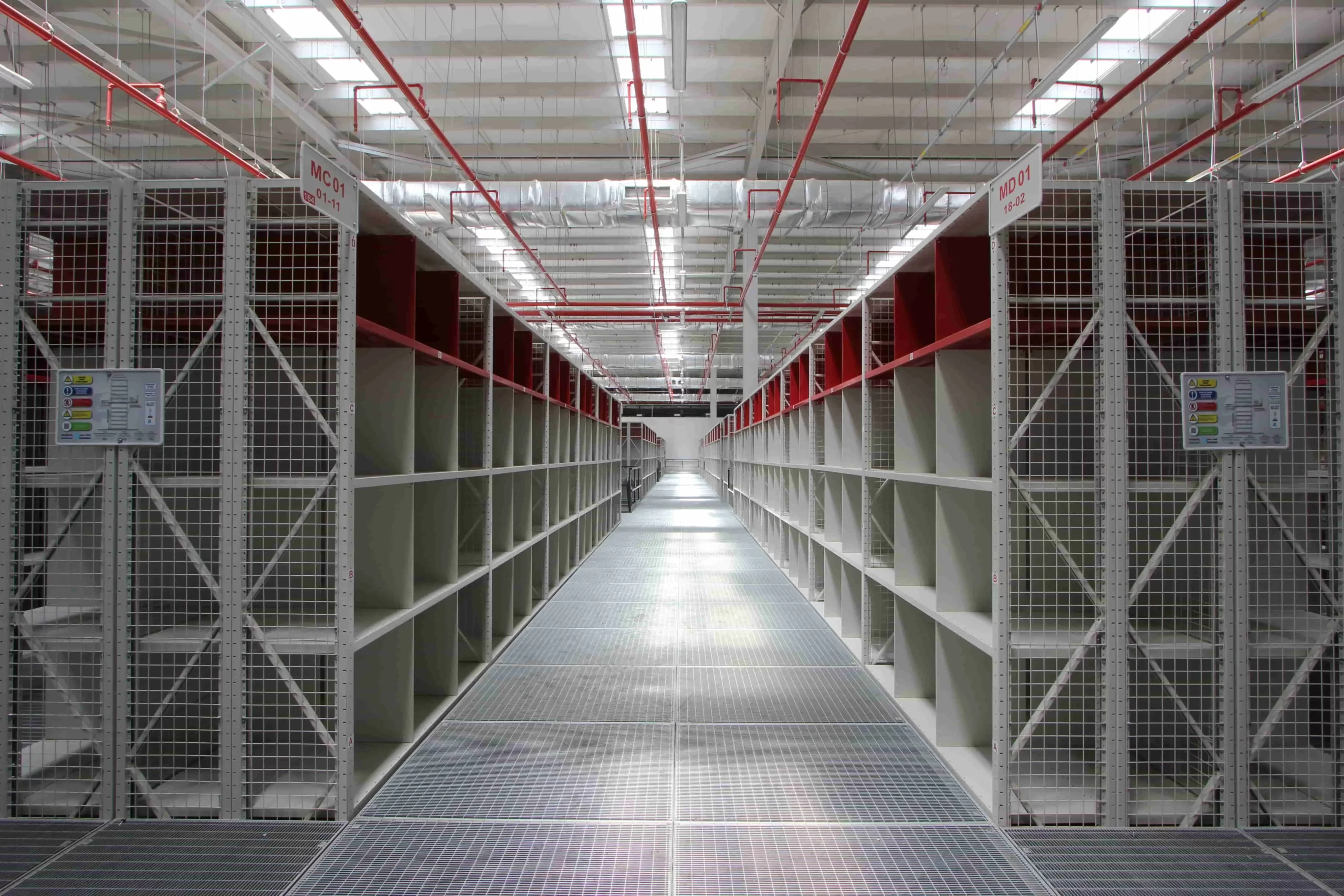
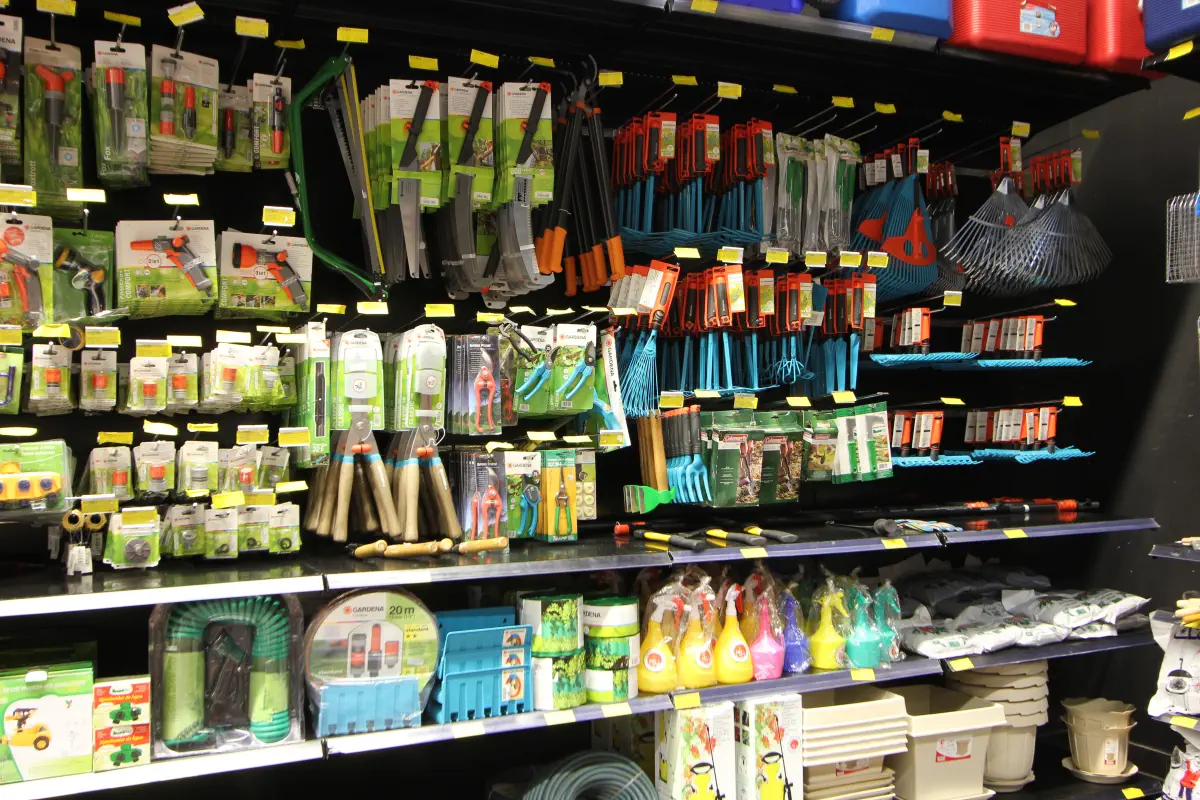
Industrial shelving and small parts organization
Maintenance spares, fittings, fasteners, and consumables need clear organization to avoid delays. Industrial shelving paired with bins and labeling helps teams issue parts quickly and maintain control of stock movement.
Staging and dispatch zones to keep movement fast
Oil and gas facilities often win or lose time at staging. A defined staging plan prevents aisles from becoming temporary storage, keeps dispatch predictable, and helps inbound and outbound flows run in parallel without conflict.
How LinkMisr Designs the Right Solution
LinkMisr takes a practical, site-driven approach. The goal is not only to install racking or shelving, but to build a storage environment that supports safety, speed, and flexibility as stock profiles and operational demands change.
Step 1: Understand load profiles and handling methods
We start by mapping what you store, how heavy it is, how it is handled, and how often it moves. This ensures the storage system is engineered for real loads, not assumptions.
Step 2: Create a layout that protects access speed
High density only works when teams can still load and unload quickly. We plan aisle widths, staging space, and zoning to keep forklift movement smooth and reduce congestion.
Step 3: Build for safety and long-term durability
Oil and gas environments demand robust protection. Rack protection, clear signage, and durable finishes help reduce wear and operational risk over time.
What to Prepare Before Requesting a Storage Proposal
Providing a few key details helps LinkMisr specify the right system faster and more accurately.
Key inputs include your warehouse dimensions, maximum pallet weights, forklift type, inventory categories, fast movers list, and any long-item storage needs. With these, a tailored design can be proposed with clear capacity and access expectations.
Why LinkMisr for Oil & Gas Storage
Oil and gas storage cannot rely on generic solutions. LinkMisr supplies engineered racking and shelving systems designed to safely accommodate heavy loads while maintaining fast access for loading and unloading. The result is a warehouse that stays organized, safer to operate, and easier to scale.
FAQ: Oil & Gas Storage Solutions
What storage system is best for heavy loads in oil and gas warehouses?
Heavy-duty pallet racking is commonly used for palletized loads, while cantilever racking is often ideal for long and oversized items. The best choice depends on load type, movement frequency, and handling equipment.
How do you keep loading and unloading fast with high-capacity storage?
Speed comes from layout planning: correct aisle widths, defined staging zones, and zoning inventory by movement rate. Storage must support predictable forklift paths and easy access to fast movers.
Can storage layouts adapt when contracts and stock profiles change?
Yes. Modular racking and shelving systems can be configured to support changing SKU mixes, new handling workflows, and revised operational needs without rebuilding the entire warehouse.
How do you store long items like pipes safely?
Cantilever racking supports long lengths without bending, allows safe side loading, and keeps long inventory visible and accessible without floor stacking.
What safety features should be included in heavy-duty storage?
Common features include rack protection, anchoring, load signage, upright guards, and clear aisle management. Safety design should match the real handling risks on site.
How do you reduce time wasted searching for spares and consumables?
Small parts shelving with bins, location labeling, and clear zoning reduces search time. A structured layout also supports inventory control and consistent replenishment routines.
Request a Tailored Oil & Gas Storage Solution
If your operation needs storage that can safely handle heavy loads while keeping loading and unloading fast, LinkMisr can design and supply a tailored racking and shelving solution that fits your site, workflow, and growth plans.