

High-Density Mobile Shelving for Museum Archives
Archive rooms rarely feel “too small” on day one. The problem starts when acquisitions grow, temporary exhibitions rotate faster, and staff need quicker retrieval without increasing handling risks. High-density mobile shelving solves the space problem while keeping access disciplined and predictable.
For museums, galleries, libraries, and private collections, the real win is not only capacity. It is controlled movement, cleaner zoning, and fewer touch points between people and fragile objects.
Why Mobile Shelving Works for Museums and Archiving
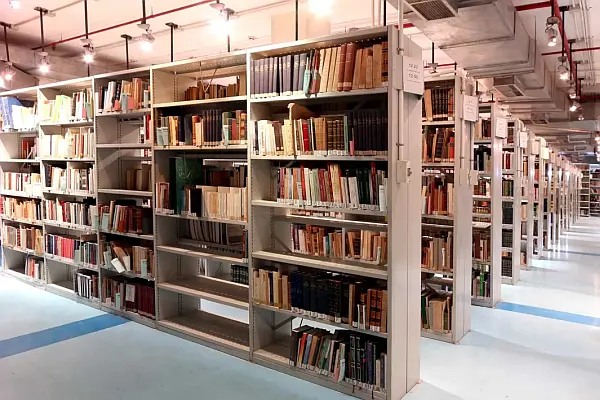
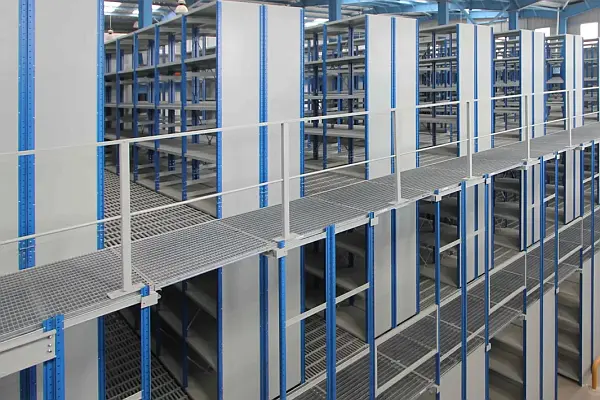
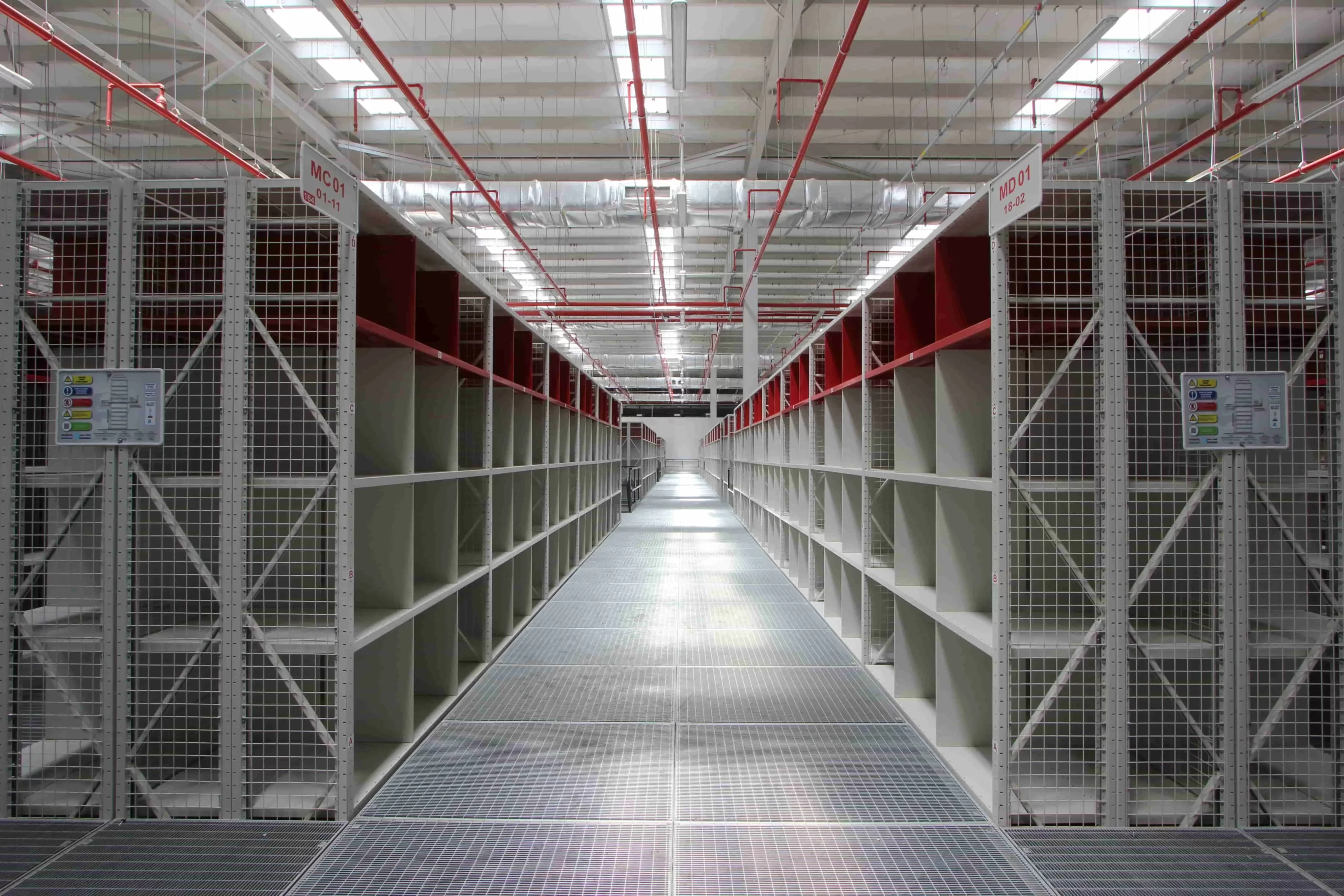
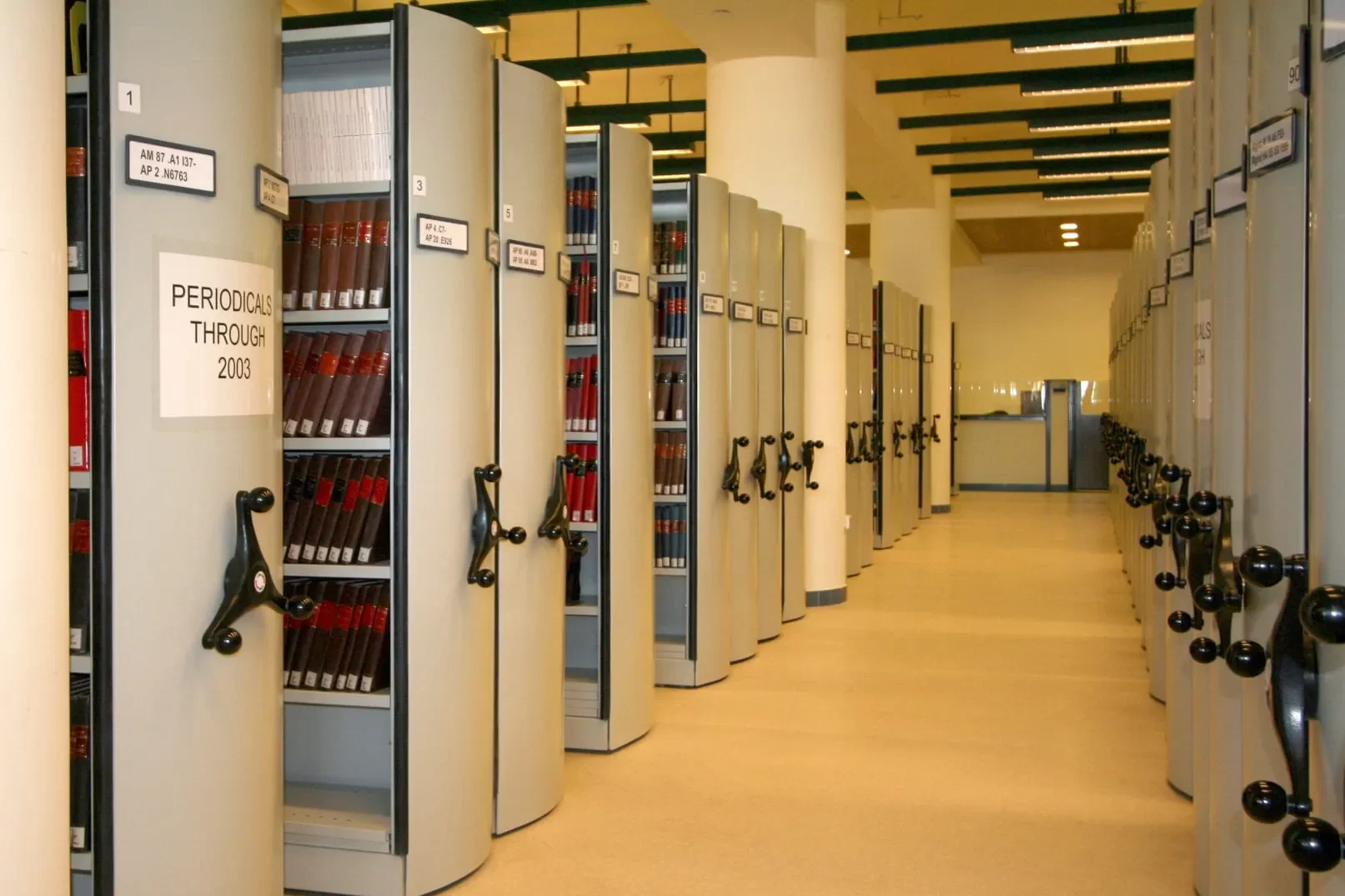
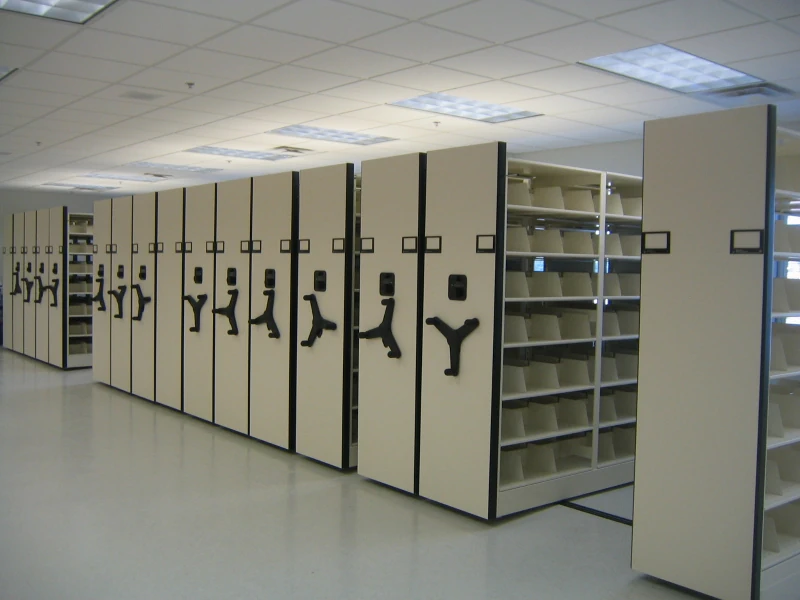
Traditional static aisles lock you into fixed walkways that consume floor area forever. Mobile shelving consolidates aisles into a smaller footprint by opening access only where needed. This increases storage density without forcing unsafe stacking or cramped shelves.
When designed correctly, mobile systems also support better collection management. You can segment zones by material type, handling risk, or access frequency and keep those rules consistent as the collection expands.
Collections Storage That Protects Heritage
Preservation is a process, not a product. Storage must reduce vibration, limit accidental contact, and keep items stable in their correct orientation. The layout should guide staff into safe habits through clear zones, repeatable locations, and straightforward retrieval routes.
Mobile shelving fits this goal because it can be planned around workflow. You can place frequently accessed items in the easiest-reach sections while keeping sensitive items in controlled-access bays.
Small Items Storage That Balances Security and Accessibility
Small items such as rare documents, manuscripts, fragile books, photographs, and small artefacts demand precision storage. The system should protect surfaces, prevent mixing, and support rapid retrieval without rummaging.
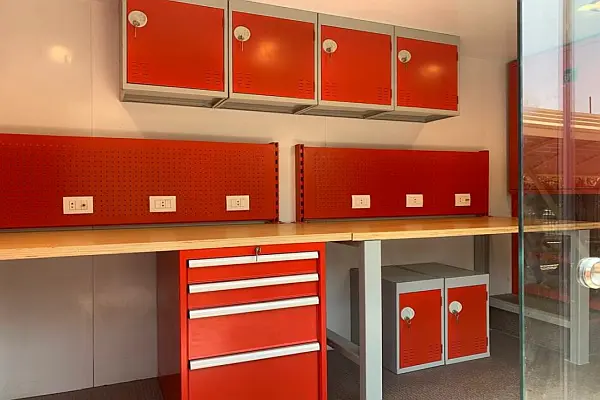
Drawer units, dividers, and modular accessories create stable compartments that match collection logic. The archive stays flexible as cataloging evolves, but the physical storage remains orderly and consistent.
Large Items Storage Without Compromising Safety
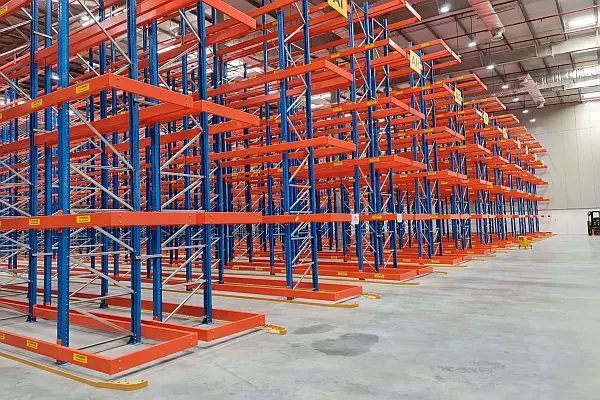
Large or heavy objects need stable load-rated shelving and racking with predictable access. You want enough capacity to store safely without forcing staff to handle pieces more than necessary.
Material choices also matter. Metal shelving is durable and easy to clean, while wood shelving surfaces can be selected where conservation practices and object sensitivity call for it.
Design Details That Improve Preservation and Daily Operations
Archive success depends on small details that prevent slow damage over time. Shelf depths should match typical object sizes so items do not overhang or bend. Clear labeling positions should be integrated into the system so staff do not improvise with tape and handwritten notes.
Access control can be supported by layout. High-value items can be placed in dedicated bays with predictable visibility and controlled routes. This strengthens accountability without turning the archive into an obstacle course.
Tailored Archive Solutions That Stay Practical
A good archive design starts with understanding what you store, how often it moves, who accesses it, and how the collection will grow. The best storage looks simple on the outside because the complexity is solved in the plan.
Learn More in Museums and Archiving sectore