

University and College Storage Solutions
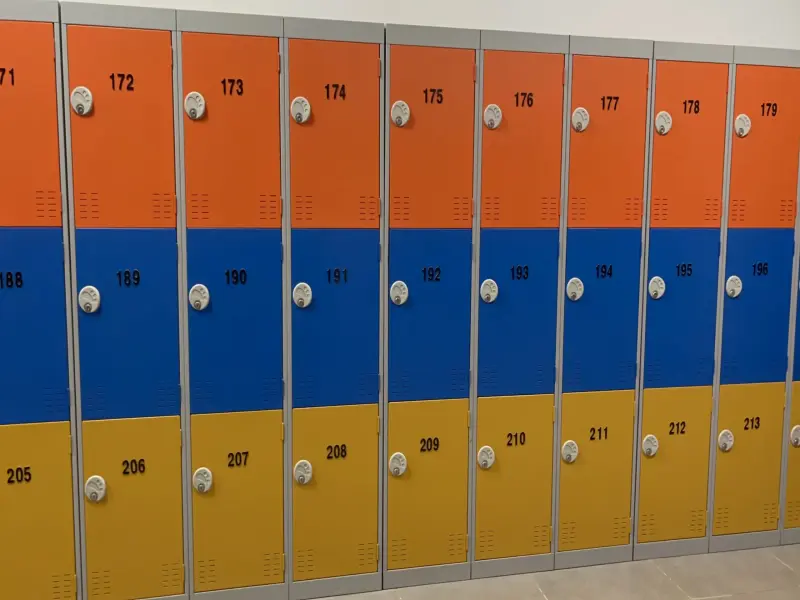
University and College Storage Solutions for Efficient Learning Environments
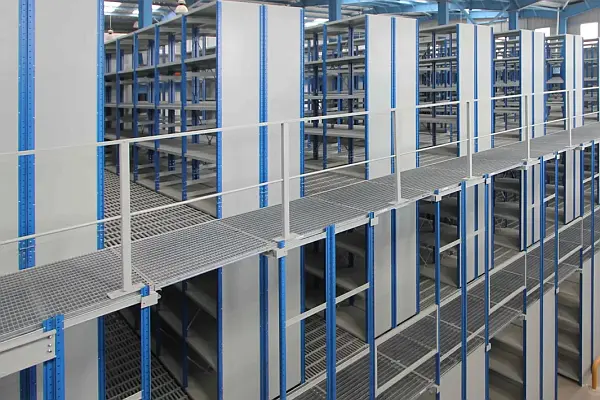
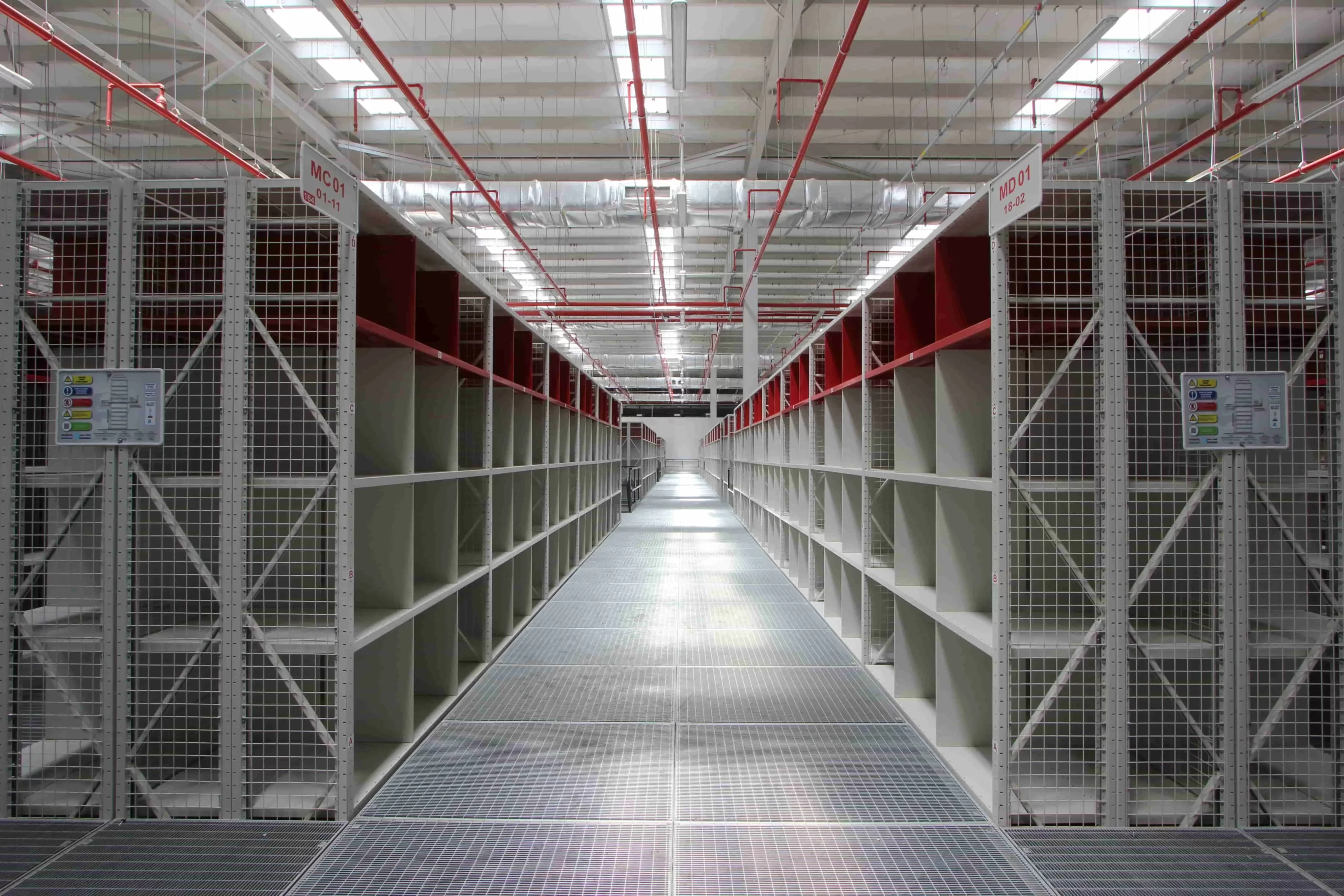
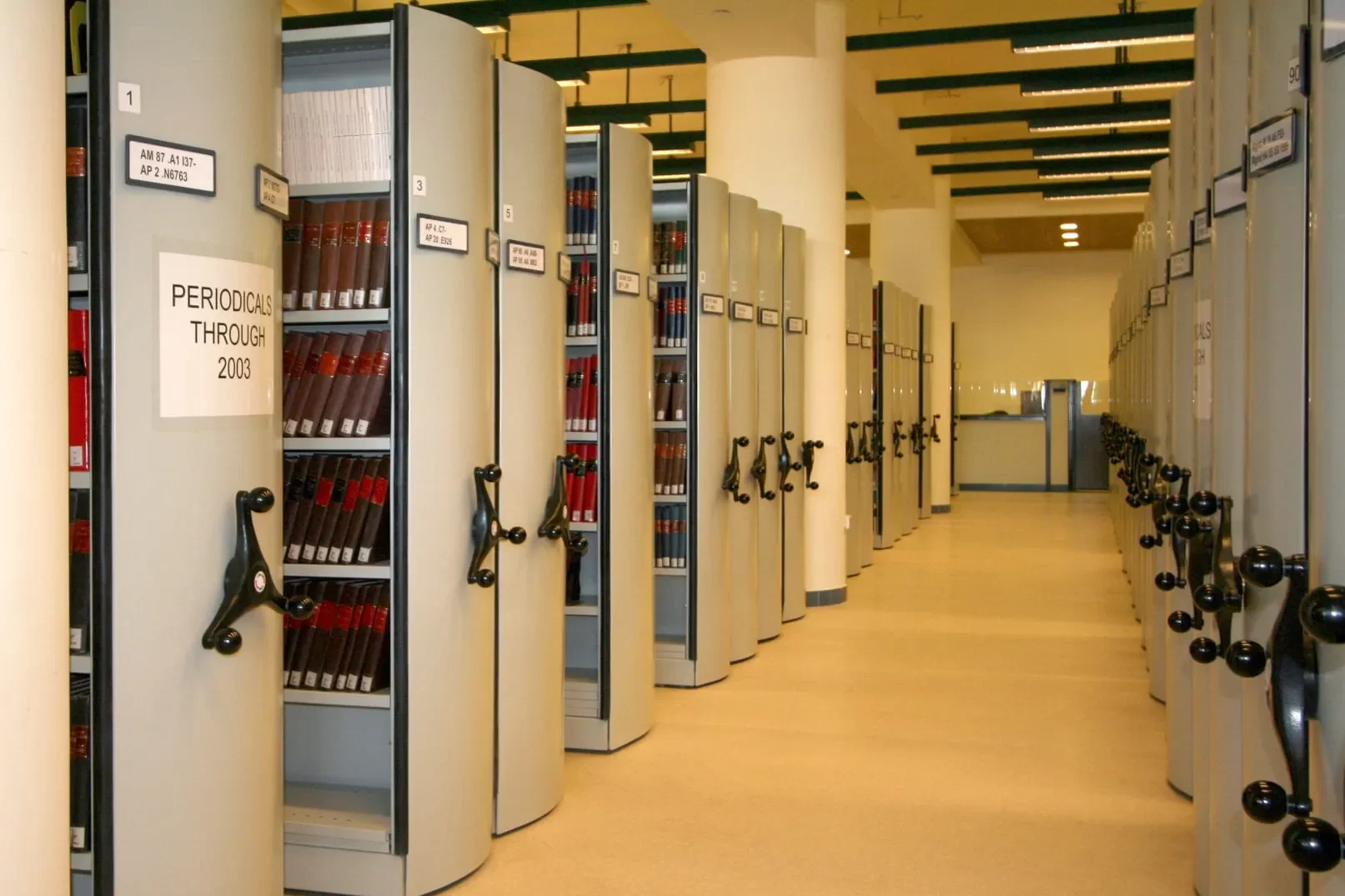
Universities and colleges need storage systems that support busy, multi-use environments. From teaching spaces and libraries to staff areas and specialist departments, effective storage helps improve access, reduce clutter, and make better use of valuable floor space.
As campuses grow and room usage changes, storage must do more than hold equipment. It needs to support efficiency, usability, and the overall appearance of the environment. That is why many higher education institutions invest in practical, space-maximizing storage solutions.
Why storage matters in higher education
Universities and colleges manage a wide range of resources every day. Books, teaching materials, equipment, documents, supplies, and shared-use items all need secure and organized storage. Without a clear storage system, spaces become harder to manage and less effective for staff and students.
Well designed storage improves workflow and makes it easier to keep learning spaces tidy, professional, and functional.
Storage solutions for colleges and universities
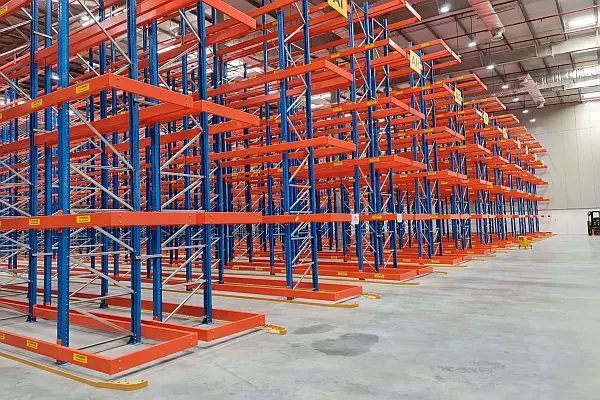
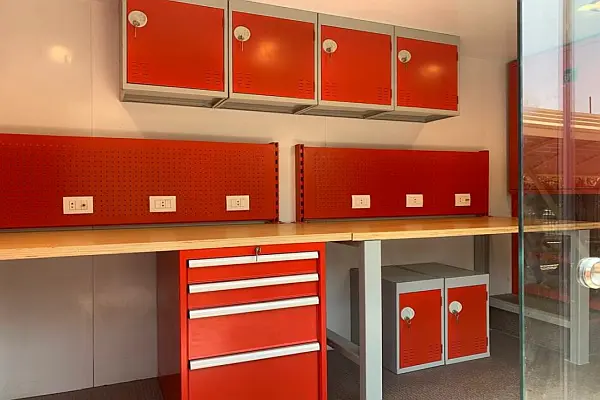
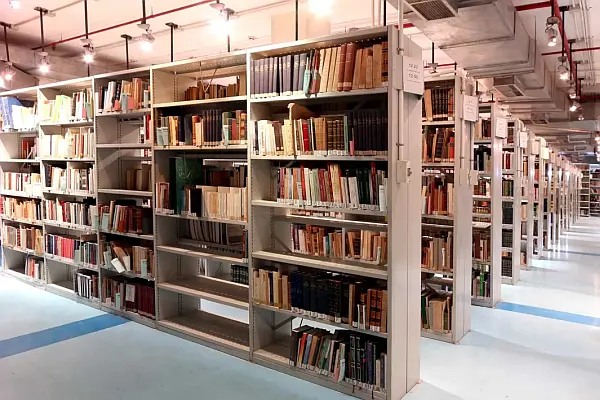
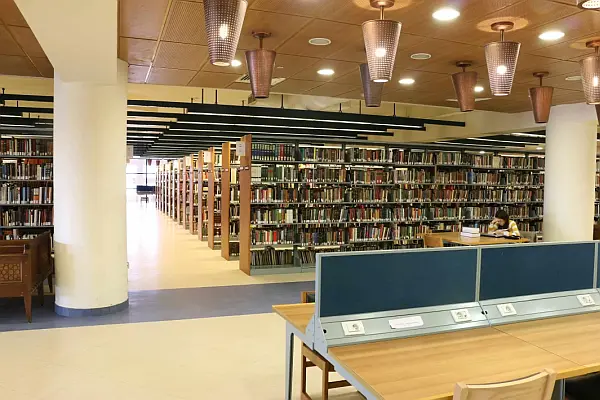
Higher education storage can be tailored for classrooms, lecture spaces, offices, libraries, workshops, laboratories, and student support areas. Some institutions need compact storage to maximize limited space, while others need larger systems to handle shared equipment and departmental materials.
The right storage system should improve access capabilities while blending into the design and purpose of the space.
Main benefits of tailored education storage
- Maximizes space across busy educational environments
- Improves access to teaching and operational resources
- Supports better organization for staff and students
- Enhances the appearance and usability of rooms
- Helps campuses manage growing storage demands
FAQ
What storage solutions are suitable for universities?
Universities often use tailored storage for libraries, teaching rooms, offices, specialist departments, and shared spaces.
How does storage improve efficiency in colleges?
It improves organization, saves time, and makes it easier for staff and students to access materials and equipment.
Can education storage be designed for limited spaces?
Yes. Space-saving storage systems can be designed to fit compact rooms and busy multi-use areas.
Why is storage design important for educational environments?
Good storage design improves both functionality and appearance, helping create more usable and professional spaces.
What types of college spaces benefit from storage systems?
Lecture rooms, libraries, offices, learning support areas, workshops, and departmental spaces can all benefit.
Conclusion
University and college storage solutions help institutions make the most of their space while improving access, organization, and everyday usability. A well designed system supports a better educational environment for staff, students, and visitors alike.