Why flexibility matters more than ever in logistics and storage
Logistics warehouses rarely stay the same. New clients bring new carton sizes, pallet footprints, and service-level expectations. Seasonal swings change throughput. E-commerce adds higher SKU counts and faster dispatch cycles. Storage must keep up without forcing you into constant rework.
A flexible warehouse layout focuses on modularity, clear zoning, and scalable capacity. LinkMisr applies a tailored approach to match the storage system to your operational reality, whether you run internal logistics or operate as a full logistics provider.
Flexibility starts with modular, adjustable storage
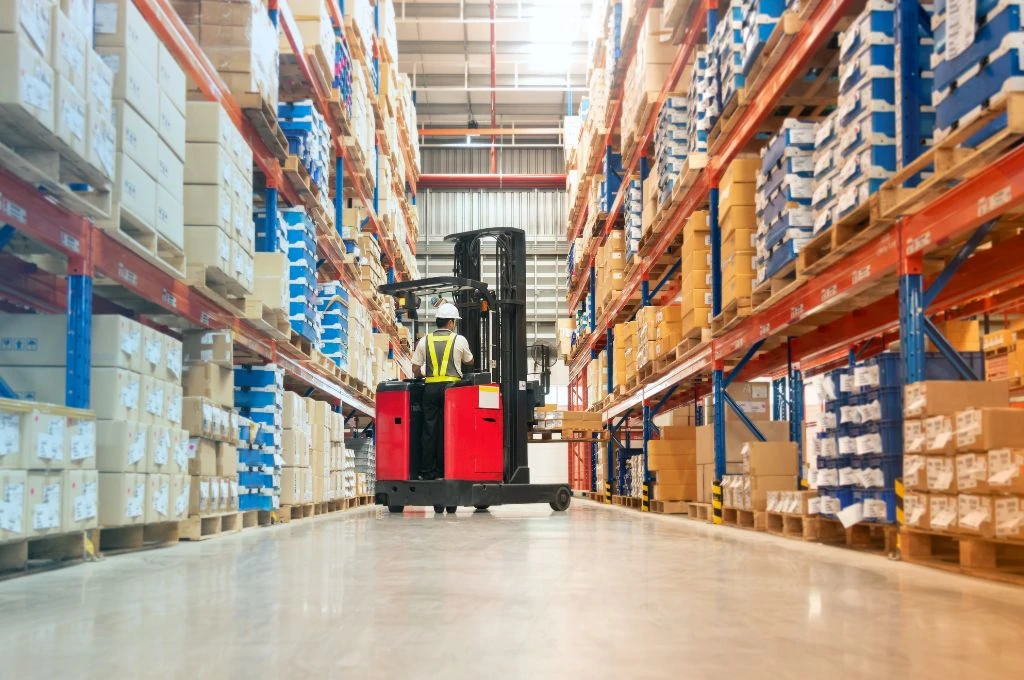
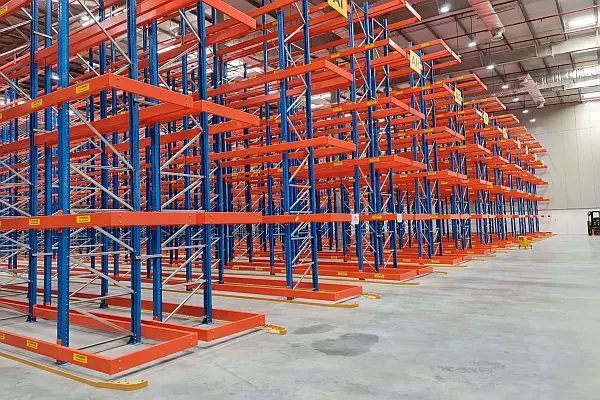
Adjustable pallet racking allows you to change beam levels as pallet heights change. This is useful when the same aisle may store different product families across the year. It also supports quick re-slotting when you onboard a new contract and need to move inventory without disrupting everything else.
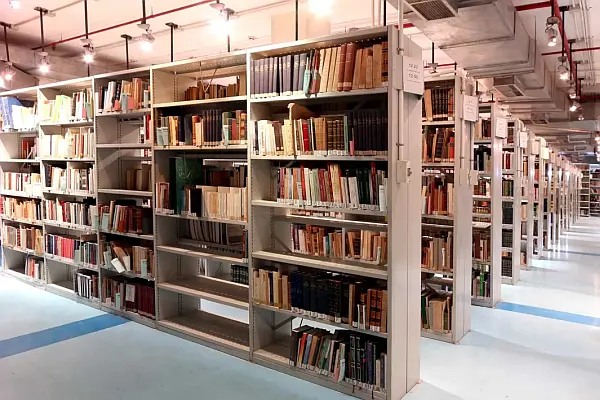
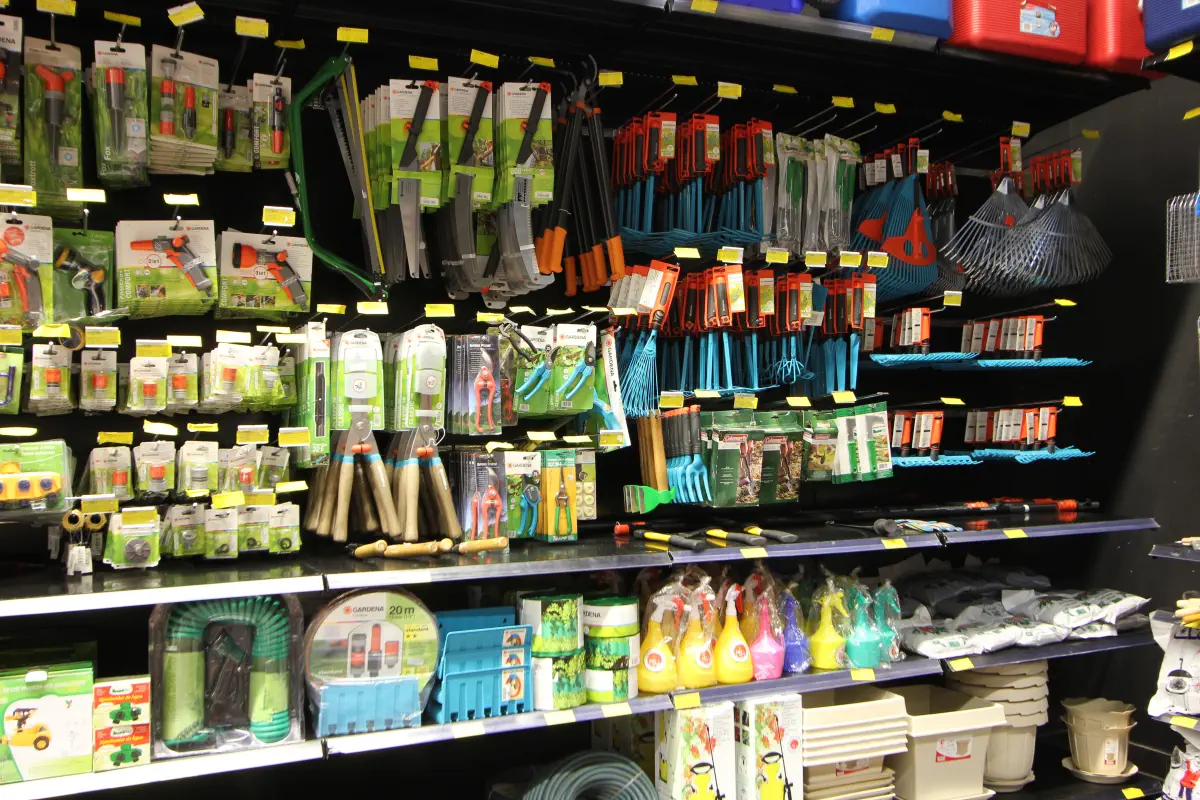
For smaller goods, adjustable shelving and bin-based storage reduce friction in picking and replenishment. When combined with clear location logic, small-item storage becomes easier to scale as SKU counts grow.
Handling mixed inventory without creating chaos
Mixed sizes require more than “more shelves.” The layout should separate storage by handling method, not only by product category. Palletized stock should move through pallet routes and equipment-safe aisles. Carton and piece pick areas should reduce walking and allow quick replenishment from reserve storage.
Oversized or awkward SKUs need dedicated zones so they do not block fast movers or damage neighboring stock. When every category has a defined home, training becomes easier and picking becomes more reliable.
Space efficiency that still protects access speed
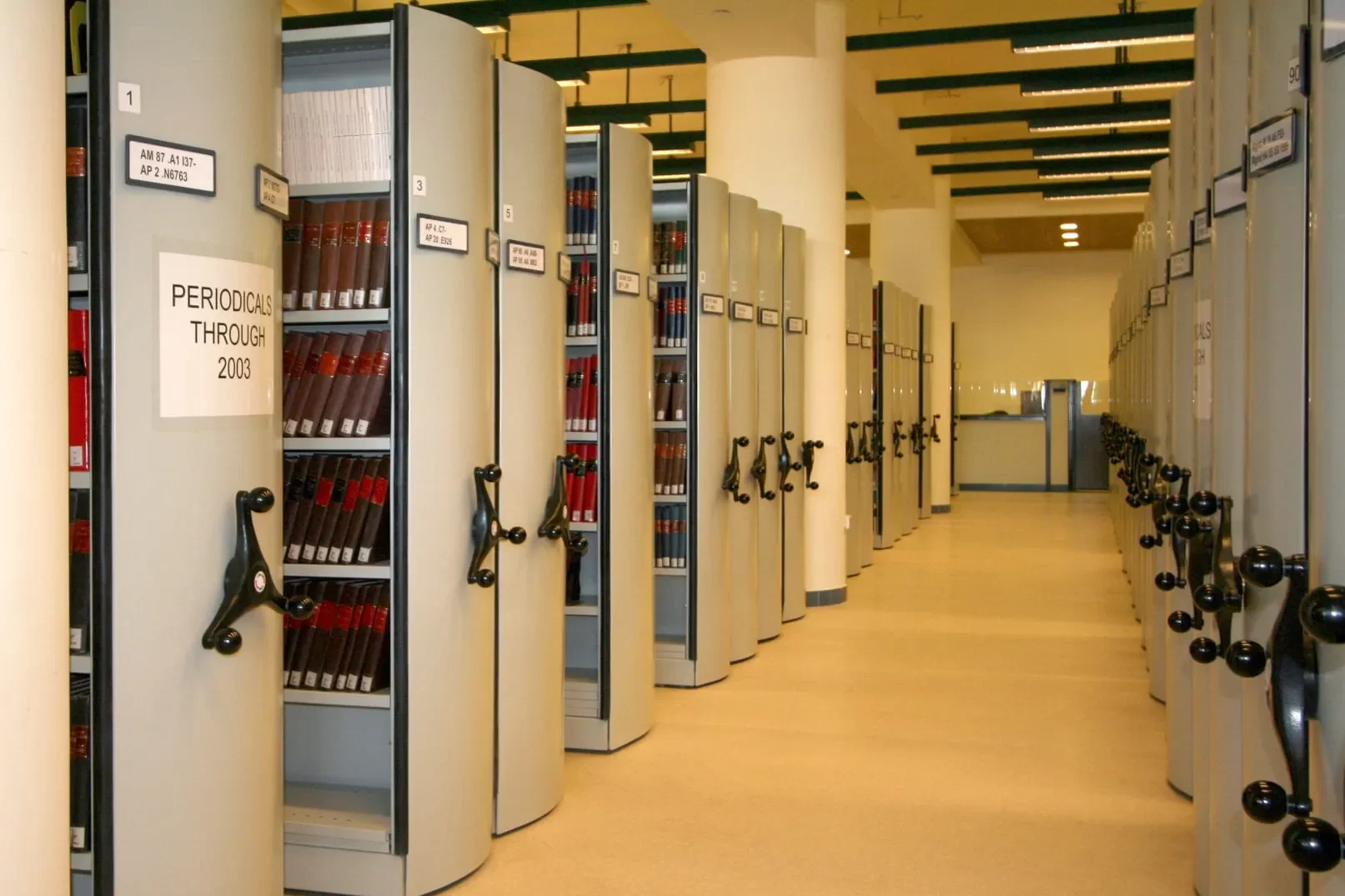
It is tempting to push maximum density, but logistics need access speed. If fast movers get buried behind slow movers, dispatch suffers, and labor costs rise. A better approach is to combine smart slotting with storage density decisions that still preserve rapid access for high-throughput items.
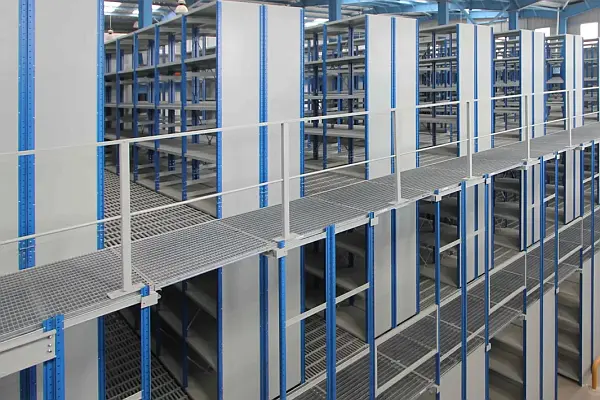
Vertical space is another major opportunity. Using clear height safely, with correct load ratings and protective elements, helps you increase capacity without expanding the warehouse footprint.
Operational details that make storage feel “easy” for the team
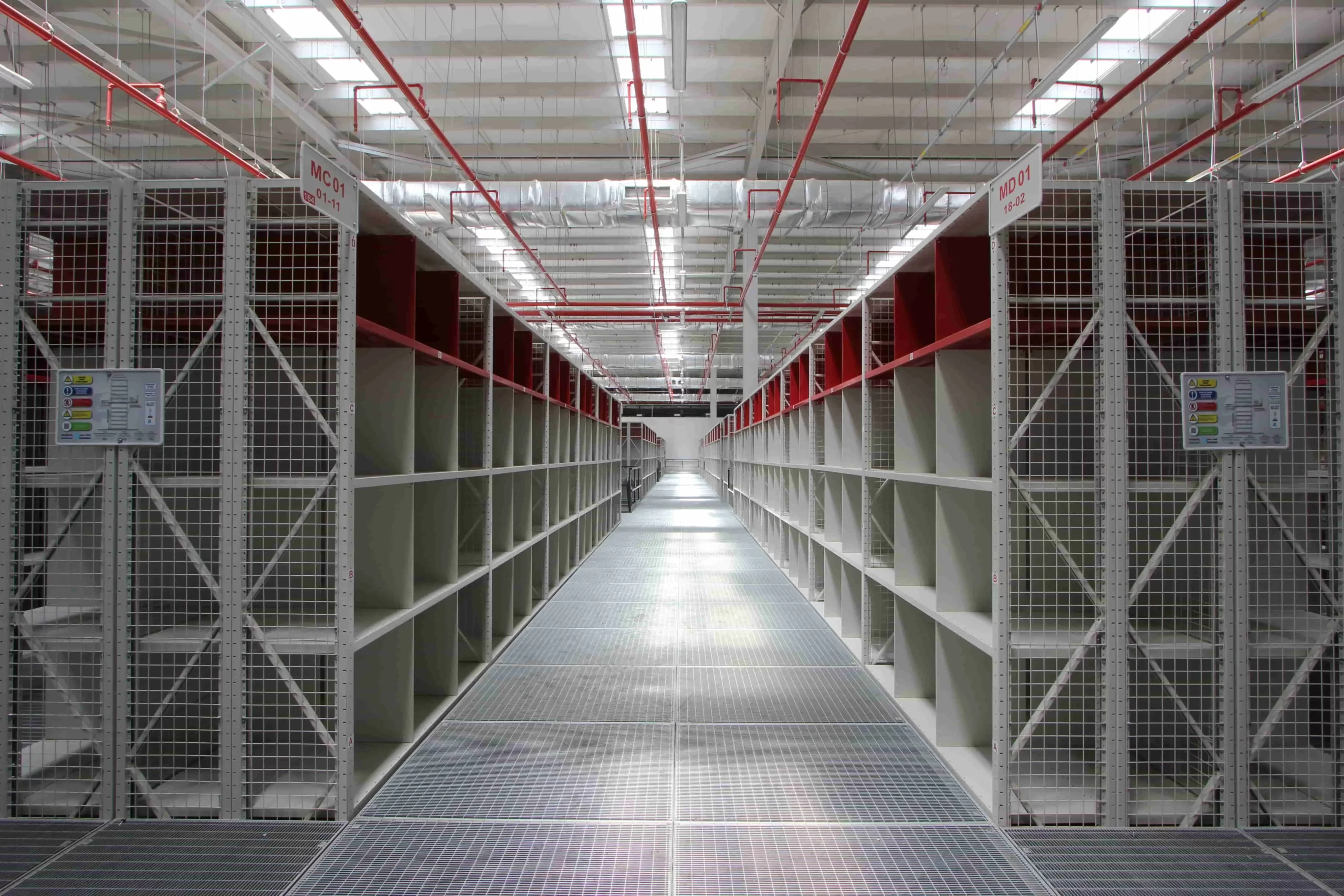
When staging is defined and controlled, dispatch becomes smoother. When returns and exceptions have a dedicated area, sellable inventory stays clean and traceable. When locations are labeled consistently, temporary staff can perform quickly during peak periods.
These details are not extras. They determine whether a warehouse runs calmly under pressure or becomes a daily firefight.