

Racking and Shelving That Improve Speed and Space
Racking and Shelving That Improve Speed and Space
Why does logistics storage design affect daily performance
Logistics operations win or lose on small time savings repeated thousands of times. When storage locations are unclear, aisles are tight, or fast movers are blocked, picking slows down, and mistakes rise. A smart storage layout fixes this at the source by controlling how goods flow through receiving, putaway, replenishment, picking, staging, and dispatch.
LinkMisr manufactures and supplies racking and shelving solutions for businesses across:contentReference[oaicite:0]{index=0}, whether you run logistics internally or operate as a dedicated logistics provider. The goal is simple: store more in the same footprint, access goods faster, and keep operations safe and predictable.
Key logistics storage challenges and what the right system must solve
Logistics companies often need to change layouts as contracts change, onboarding new product types, or adapting to seasonal volume. Storage must support reconfiguration without restarting the warehouse from zero. A modular racking plan with adjustable beam levels and scalable bays helps you expand or re-slot without disrupting the whole operation.
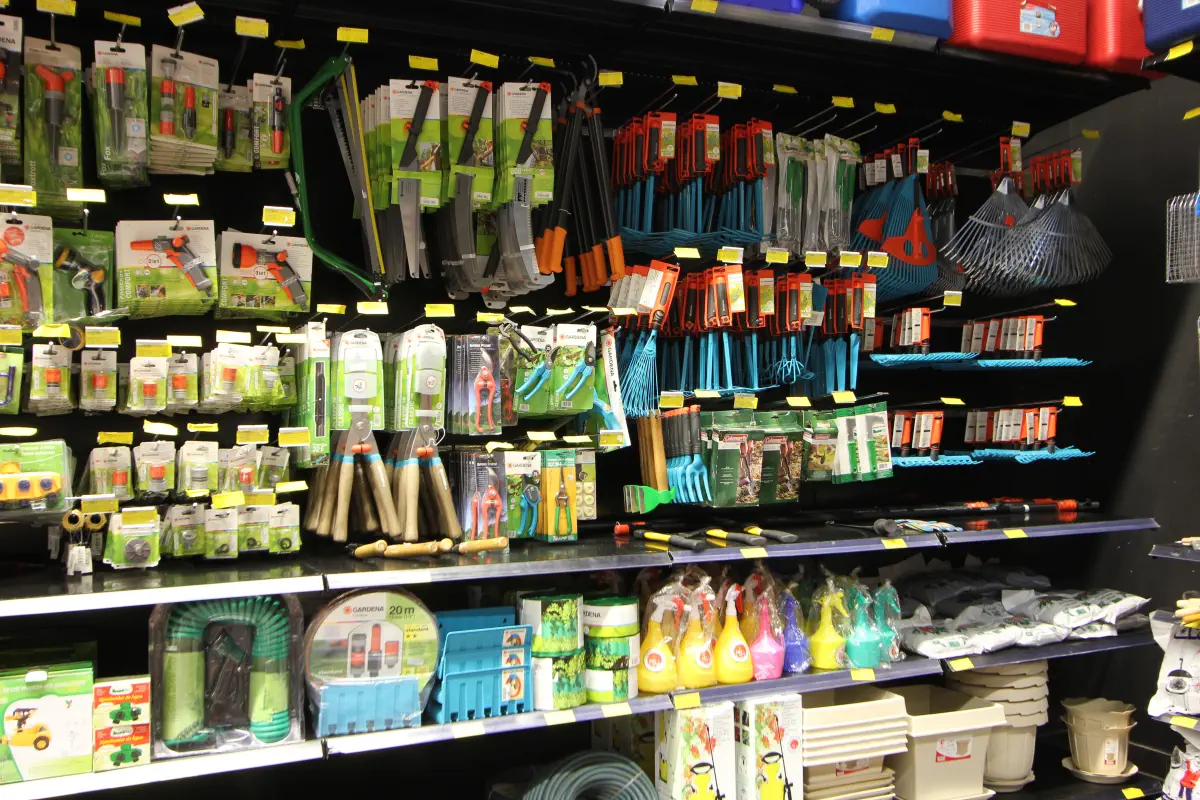
Another common issue is mixed product dimensions. A warehouse may handle cartons, pallets, long items, and irregular packages in the same day. A balanced design uses pallet racking for heavy loads, shelving for small items, and dedicated zones for oversized SKUs so every category has a clear, controlled home.
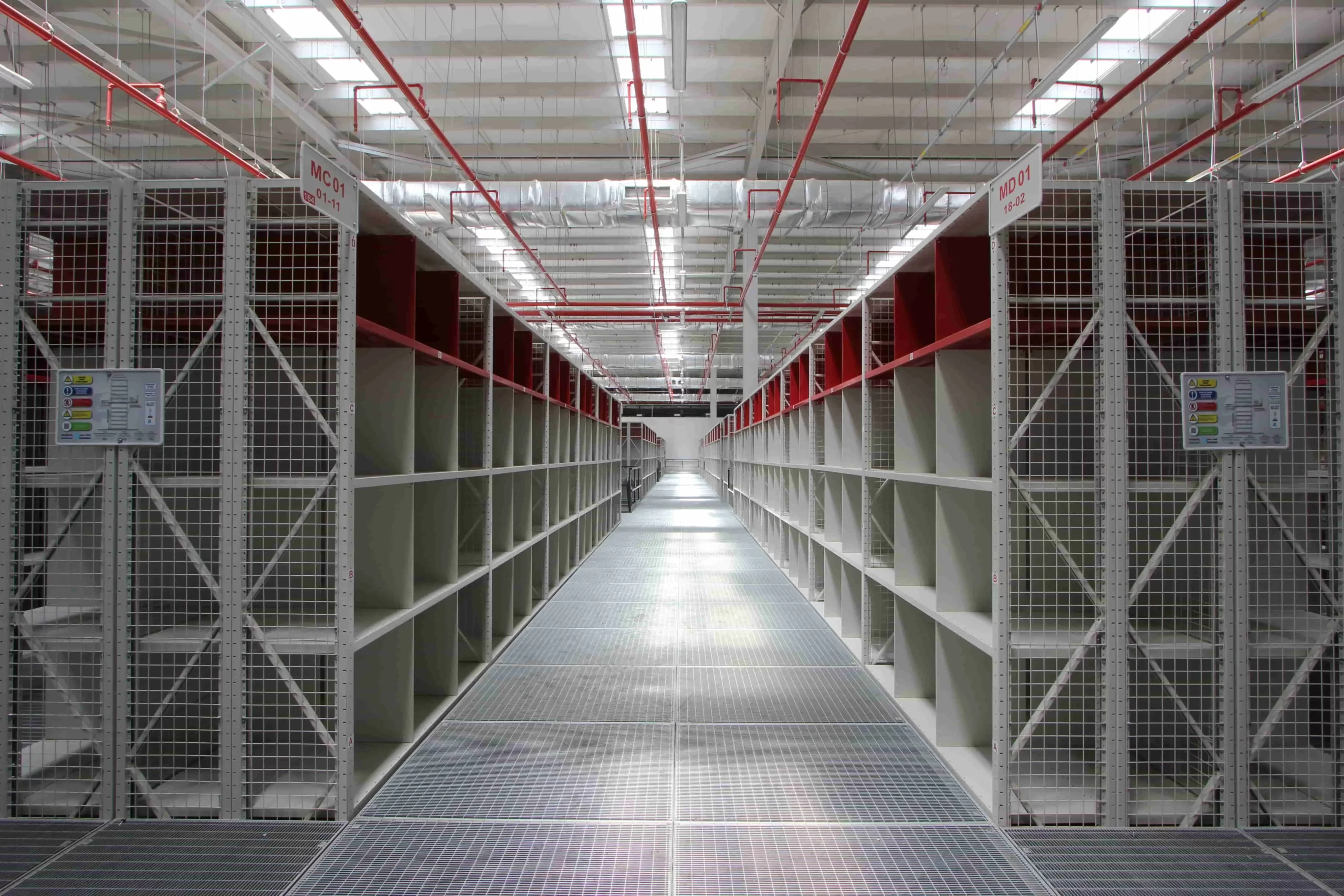
Space is always under pressure. The best logistics storage improves density without harming access. That means selecting the right racking type, designing aisle widths around handling equipment, and placing fast movers in the most reachable zones to prevent congestion during peak shifts.
Storage systems that fit common logistics workflows
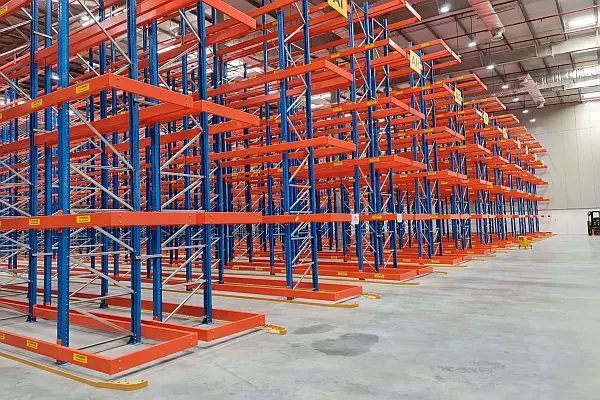
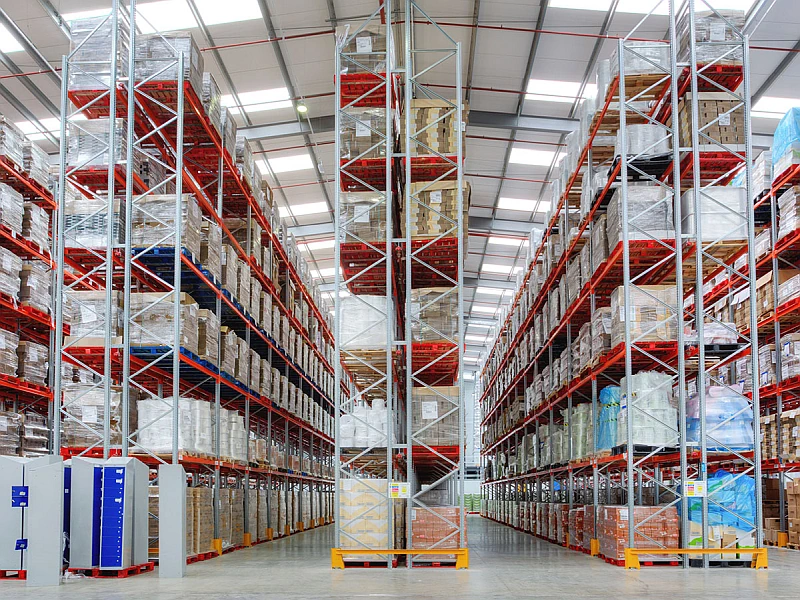
Selective pallet racking is a strong baseline for warehouses that need direct access to many SKUs. It supports quick retrieval and flexible re-slotting, which is ideal for logistics operations where product mix changes frequently.
When you need higher density for fewer SKUs, higher-volume pallet flows, or buffer storage, other racking configurations can reduce aisle space while maintaining safe handling. The right choice depends on how often goods move, how many pallet positions you need, and how strict your picking speed requirements are.
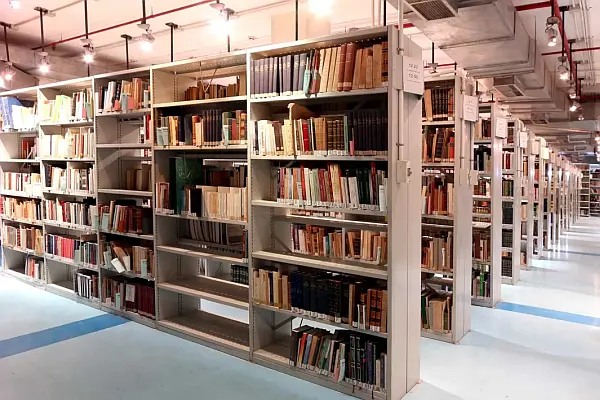
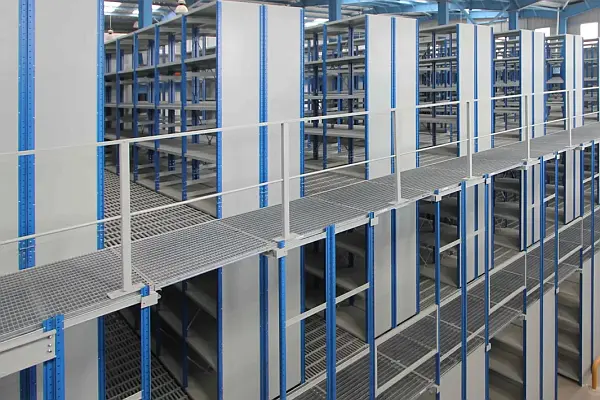
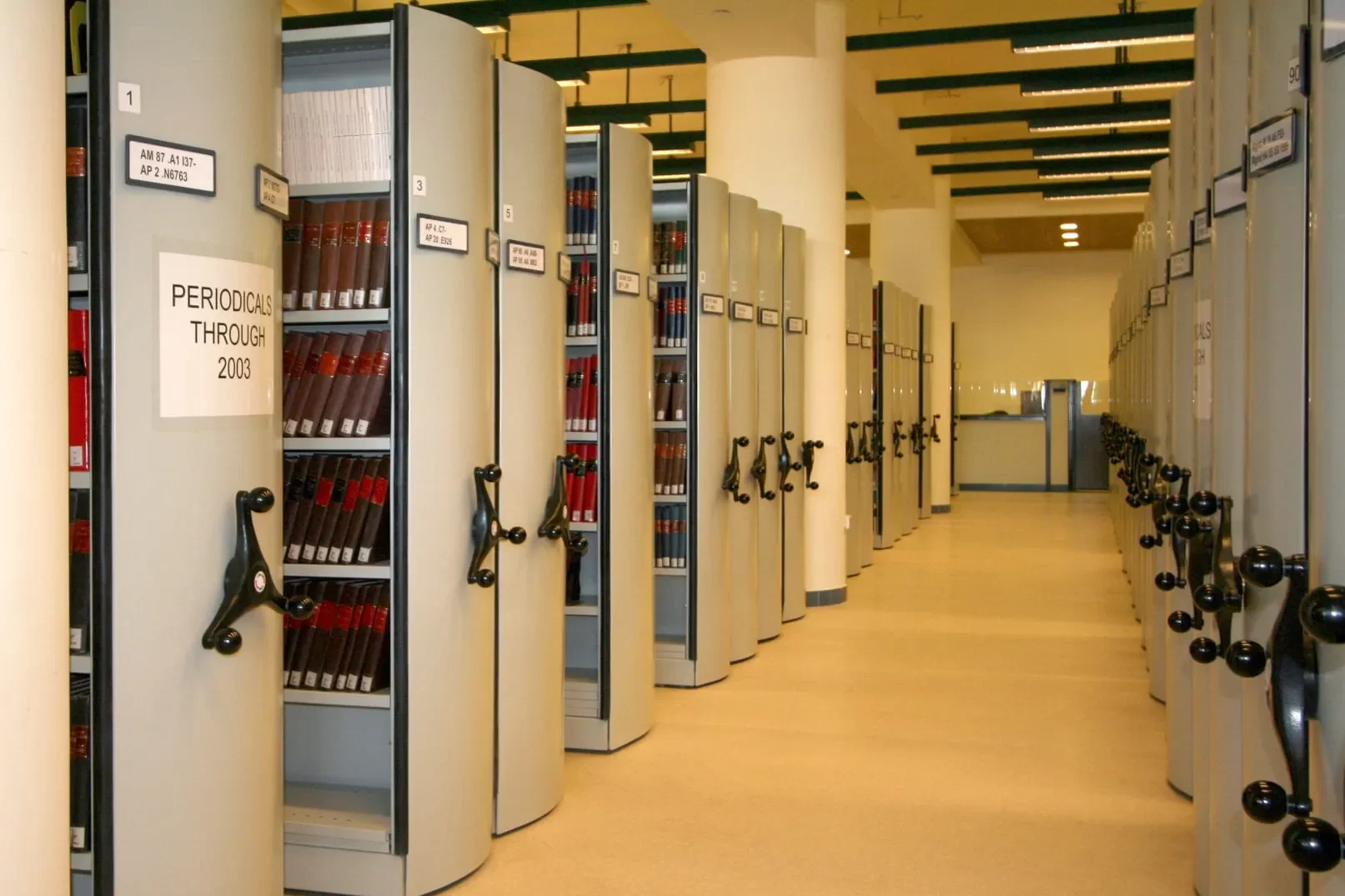
For carton picking and small items, shelving, pick modules, and multi-level layouts can reduce walking distance and improve order assembly speed. This becomes even more important when you handle e-commerce orders with high line counts and frequent single-item picks.
How to design for speed without sacrificing safety
Fast access starts with zoning. Receiving and putaway routes should not cross picking routes. Staging must be treated as a controlled area, not overflow storage. Locations should be labeled clearly so new staff can perform quickly with minimal ramp-up time.
Safety is not an add-on. Racking load ratings, upright protection, end-of-aisle guarding, and safe aisle clearances reduce damage and prevent accidents. When storage is designed properly, safety improves naturally because teams are not forced into risky shortcuts.
What to share with LinkMisr to get a tailored logistics storage plan
A strong plan starts with your warehouse dimensions, clear height, floor condition, and handling equipment. You also want to share your SKU profile, pallet and carton sizes, throughput targets, and whether you support cross-docking, 3PL contract changes, or seasonal peaks. This helps LinkMisr recommend a storage system that fits how you actually work, not just what looks good on paper.