

Museum Archive Storage Solutions
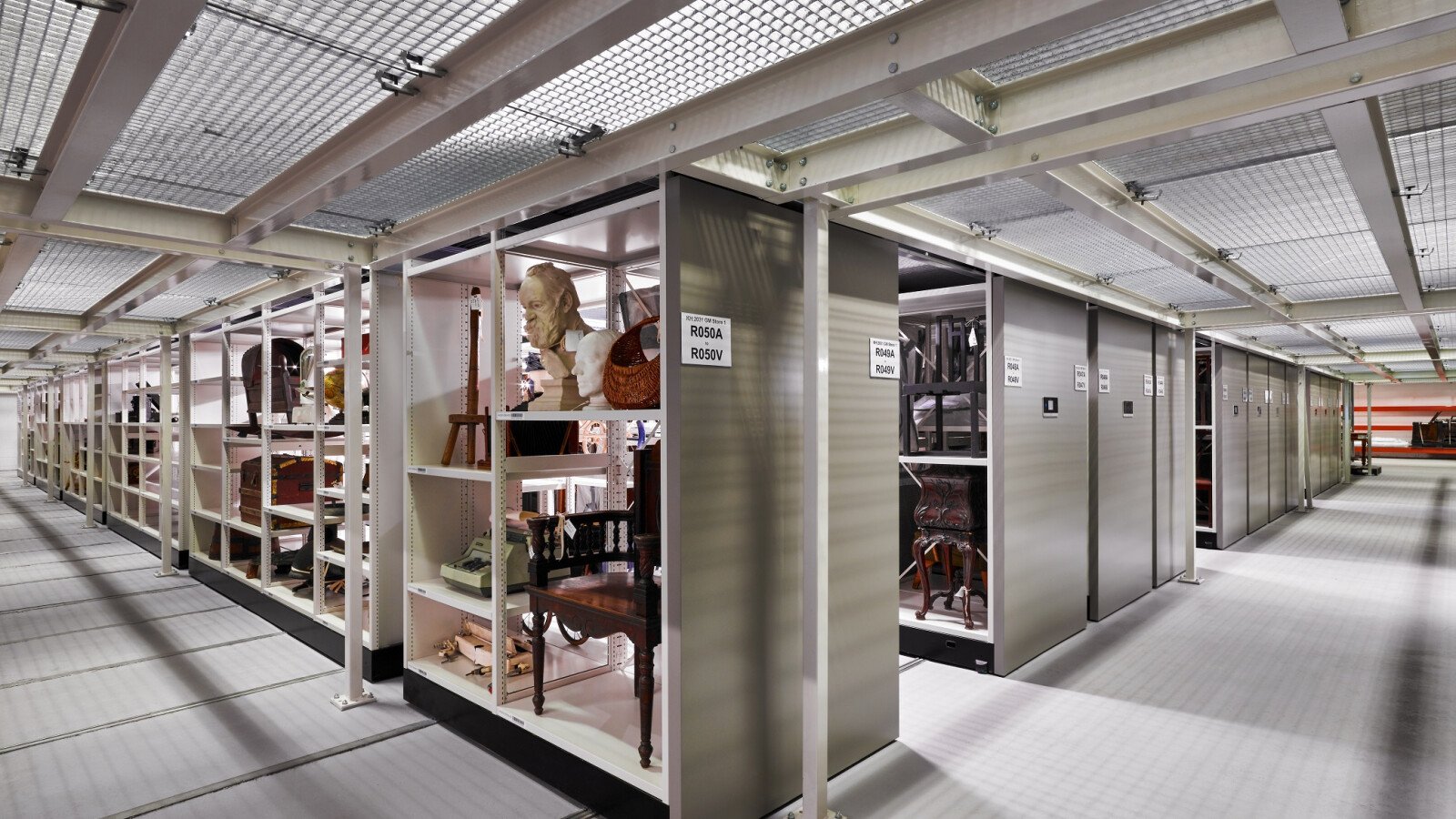
Museum Archive Storage Solutions
Museums and archives protect more than objects. They protect identity, research value, and the story of future generations. The right storage system reduces handling, prevents damage, improves access, and helps teams work faster without risking fragile collections.
LinkMisr designs, manufactures, and installs archive storage built around real operational needs. That means planning for growth, security, conservation standards, and day to day workflows, not just adding shelves.
Protecting Heritage Starts with the Storage Plan
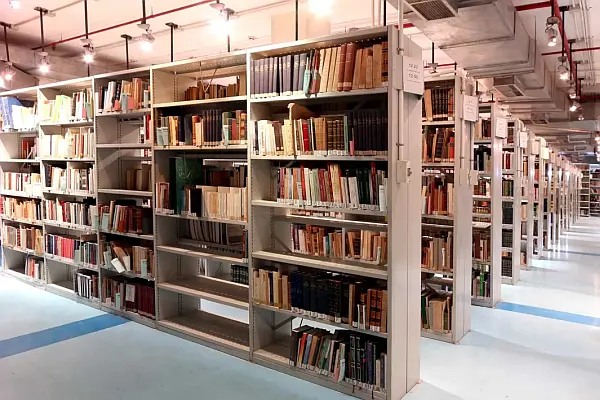
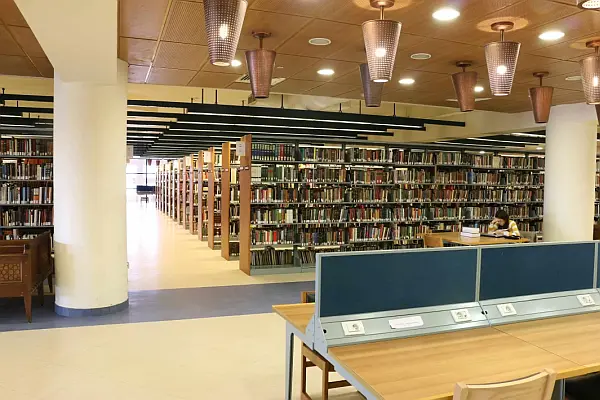
Collections of artefacts, books, manuscripts, works of art, and historical records require specialist handling and a storage layout that supports preservation. Good archive storage controls how items are touched, how often they move, and how safely they are accessed.
A strong plan also accounts for expansion. Collections grow, cataloging evolves, and exhibition needs change. Modular systems help you add capacity without rebuilding the whole room.
Storage for Small Items That Demand Security and Flexibility
Small items often carry the highest value and the highest risk. Coins, negatives, rare books, fragile manuscripts, and small artefacts need controlled storage that protects surfaces and limits unnecessary handling.
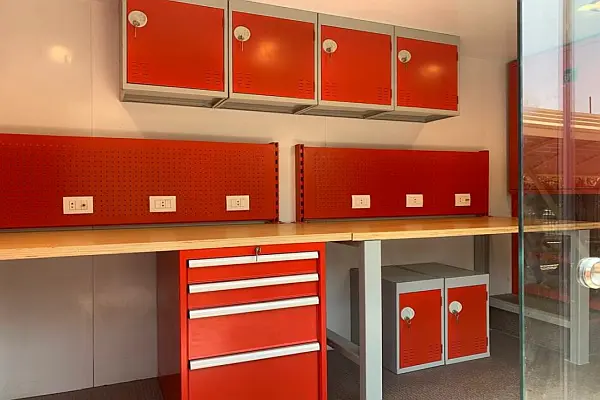
Well-designed small-item storage focuses on protection, security, flexibility as the collection changes, easy access for curators, and surfaces that suit different materials. The goal is simple: keep items stable, traceable, and quick to retrieve without creating clutter.
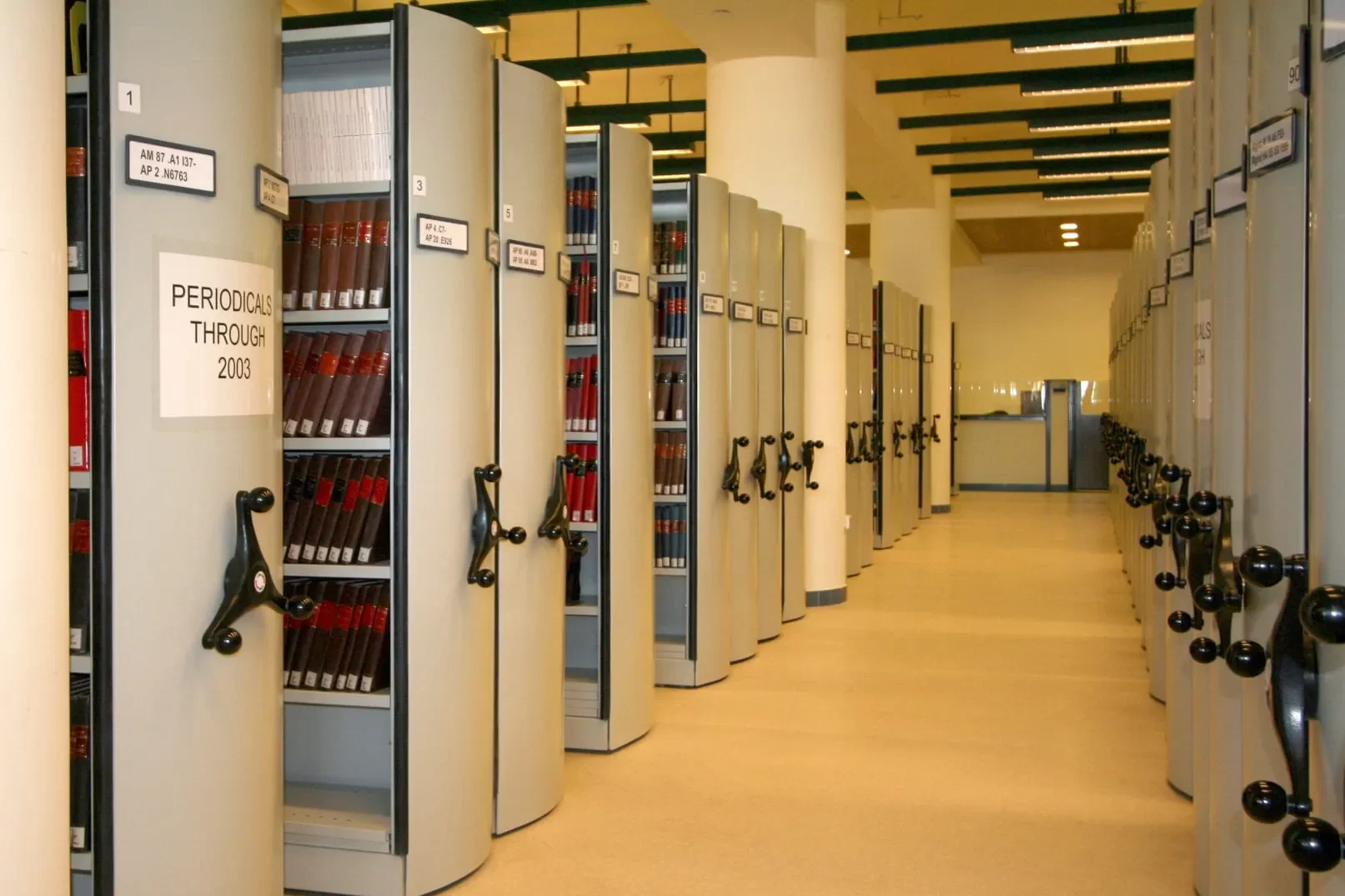
With the right combination of shelving systems, accessories, drawer units, glass display units, and space-saving mobile systems, you can store mixed exhibits correctly even when the archive serves multiple departments.
Storage for Large and Heavy Objects Without Compromising Access
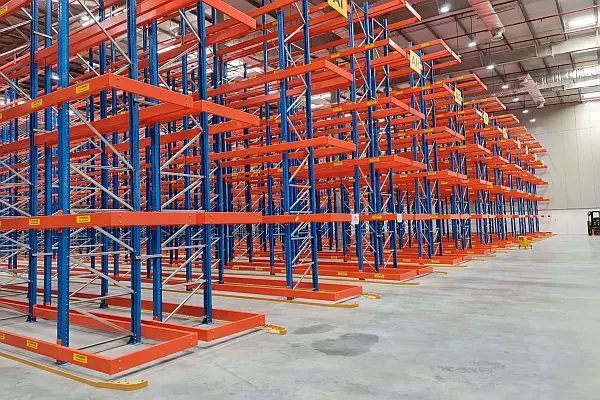
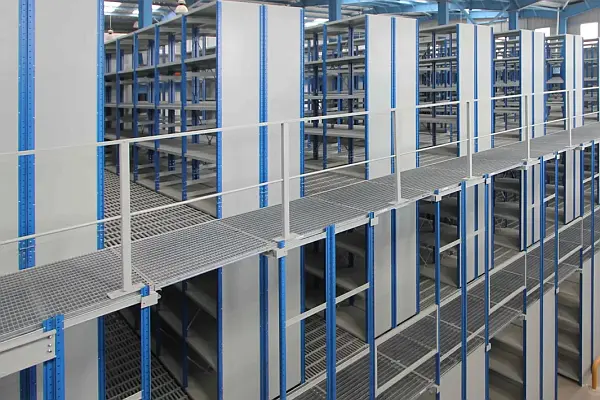
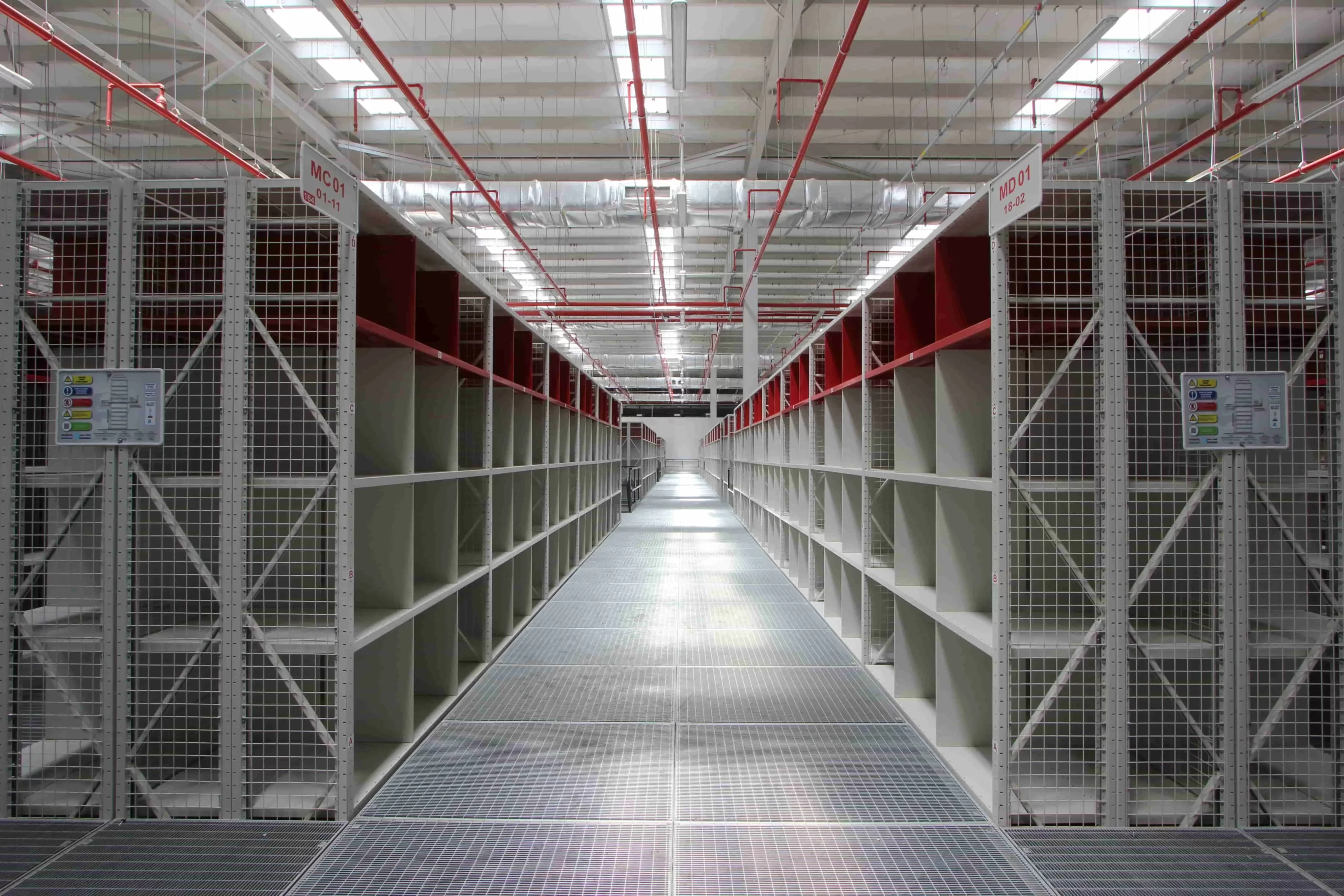
Large artefacts, crates, framed works, sculpture elements, and heavy archival materials need high-capacity storage that stays safe under load while remaining easy to access. Racking and heavy-duty shelving should be selected based on load requirements, aisle space, and the handling tools used by the team.
Material choice matters too. Metal or wood shelving surfaces can be selected based on conservation preferences, cleaning routines, and the nature of the stored items.
Picture Racking for Art, Photographs, and Growing Collections
Picture racking is a specialist solution used by museums, galleries, records offices, and private collectors to store and view large collections safely while maximizing available space.
The main value is reduced handling. Items can be viewed without touching, which lowers the risk of abrasion, fingerprints, corner damage, and accidental drops. This approach protects delicate pieces and improves workflow for inventory, selection, and research.
Picture racking is modular, so it can be expanded as the collection grows. That makes it a practical long-term investment for institutions that acquire new works regularly.
Three Modular Picture Mesh Racking Types and When to Use Each
The right system depends heavily on the location, ceiling structure, floor condition, and the construction of the storage space. Site constraints and access requirements should guide the choice.
1) Suspended from the ceilings suits spaces where ceiling structure can support the load and where floor-level obstructions must be minimized. It helps keep the floor clear and can work well in controlled back-of-house rooms designed for archival operations.
2) Self-supporting picture racking on smooth running tracks is a high-density option that offers safe storage and can be extended when required. It is ideal when you need maximum capacity with reliable access and a system that grows with the collection.
3) Mobile base mounted picture racking is designed for flexible layouts where compact storage is important. It can be a strong fit for archives that must adapt to changing collection mixes and need to optimize aisle space.
How LinkMisr Approaches Museum and Archive Projects
Every archive space is different. The best results come from understanding the collection type, growth expectations, access frequency, security needs, and room limitations before selecting systems. LinkMisr works with you to translate those requirements into a practical, versatile archive solution that supports preservation and daily operations.
Learn More in Museums and Archiving sectore