Museum archives rarely run out of objects, they run out of space and safe access. As collections grow, the risks grow too: more handling, more searching, more mistakes, and more pressure on staff to move faster. High-density mobile shelving solves the space problem while supporting preservation and controlled access.
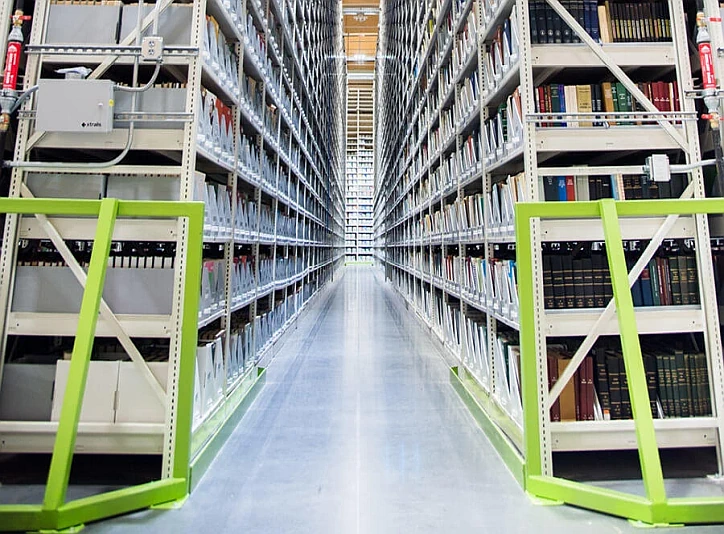
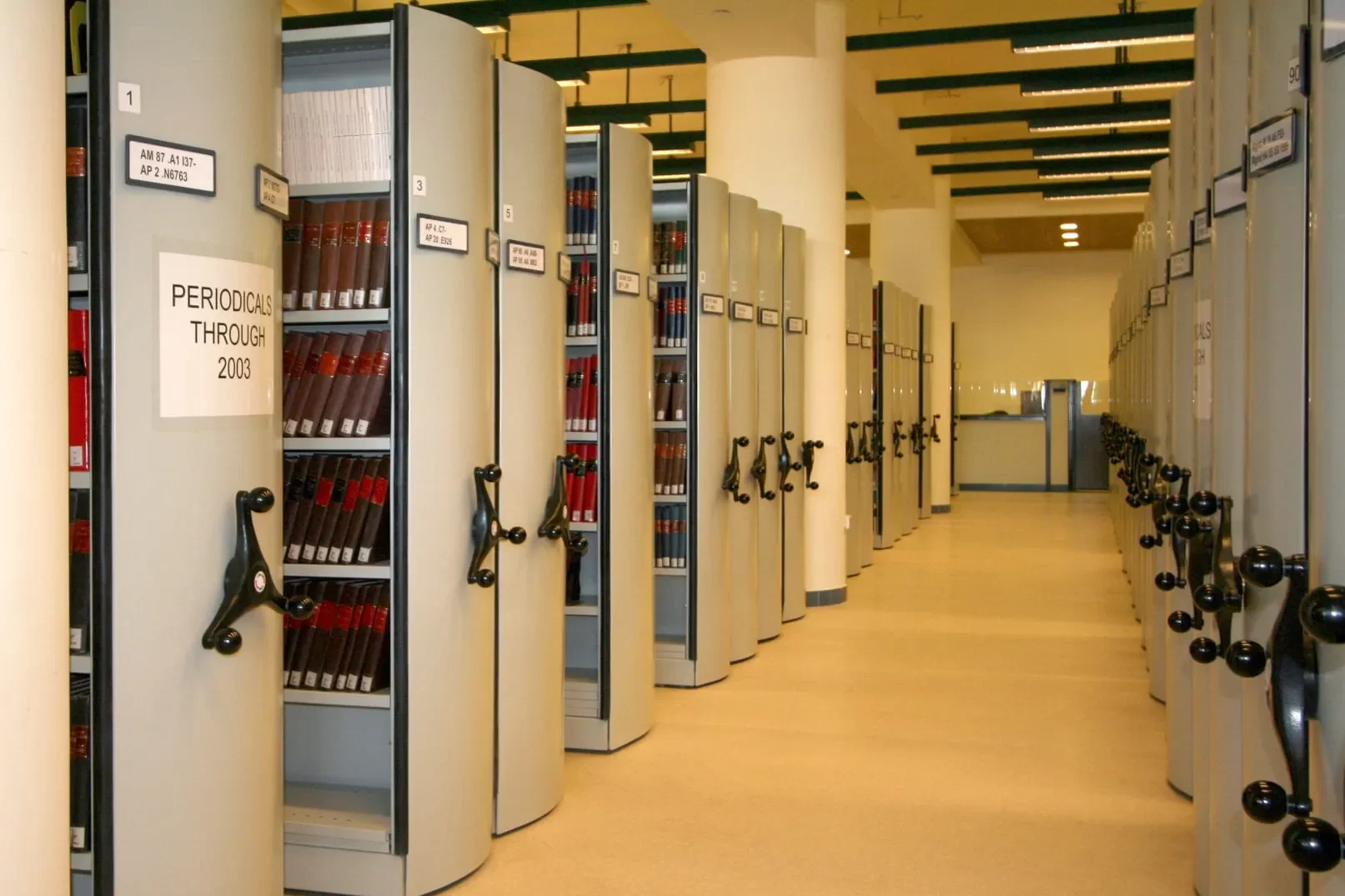
Instead of fixed aisles that permanently consume floor area, mobile shelving opens a single working aisle only where it is needed. That means more storage capacity in the same room, without unsafe stacking or overfilled shelves.
Why Mobile Shelving Fits Museums and Archiving
Archives are not like standard stockrooms. You need repeatable locations, predictable retrieval, and fewer touch points around delicate objects. Mobile shelving helps because the system can be planned around your rules: which items are high value, which are fragile, which are accessed weekly, and which must be handled only by trained staff.
When the layout enforces good behavior by design, teams stop improvising. That is how you protect heritage while still keeping daily work practical.
Small Item Storage with Security and Flexibility
Small items often carry the highest value: artefacts, rare books, manuscripts, photographs, negatives, and specialized collectables. The right storage keeps surfaces protected, prevents mixing, and supports fast retrieval without rummaging.
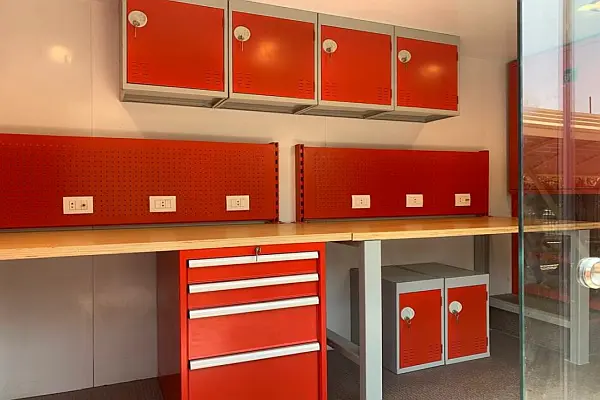
Drawer units, dividers, and modular accessories allow you to handle a mixture of exhibits while staying organized. This also makes it easier to adapt as cataloging evolves and as new acquisitions arrive.
Large and Heavy Objects Without Compromising Access
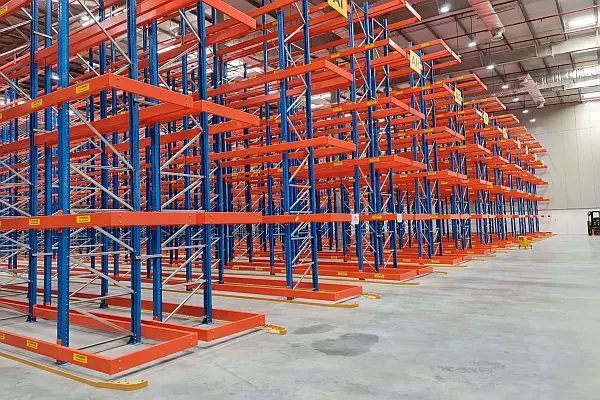
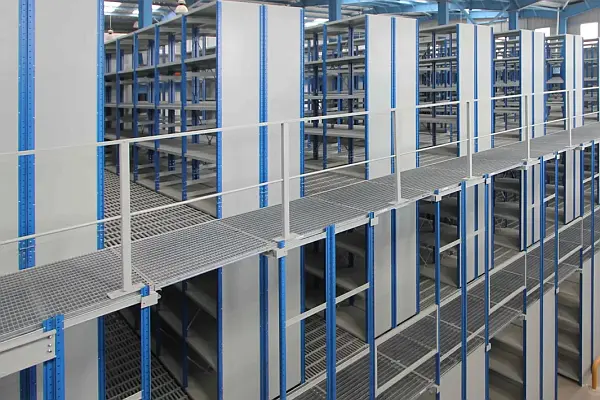
Large artefacts and heavy pieces need stable, load-rated shelving or racking that stays safe under real-world use. Access must be easy enough to avoid unnecessary handling, and strong enough to avoid “temporary” storage habits that become permanent problems.
Where conservation practices require it, you can choose metal or wood shelving surfaces based on the nature of the items stored and cleaning routines inside the archive.
Archive Design Details That Improve Preservation
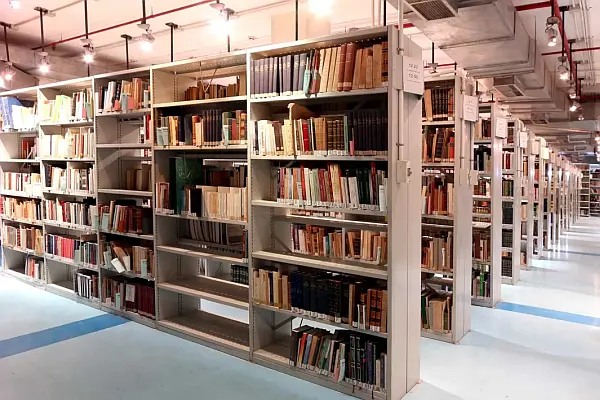
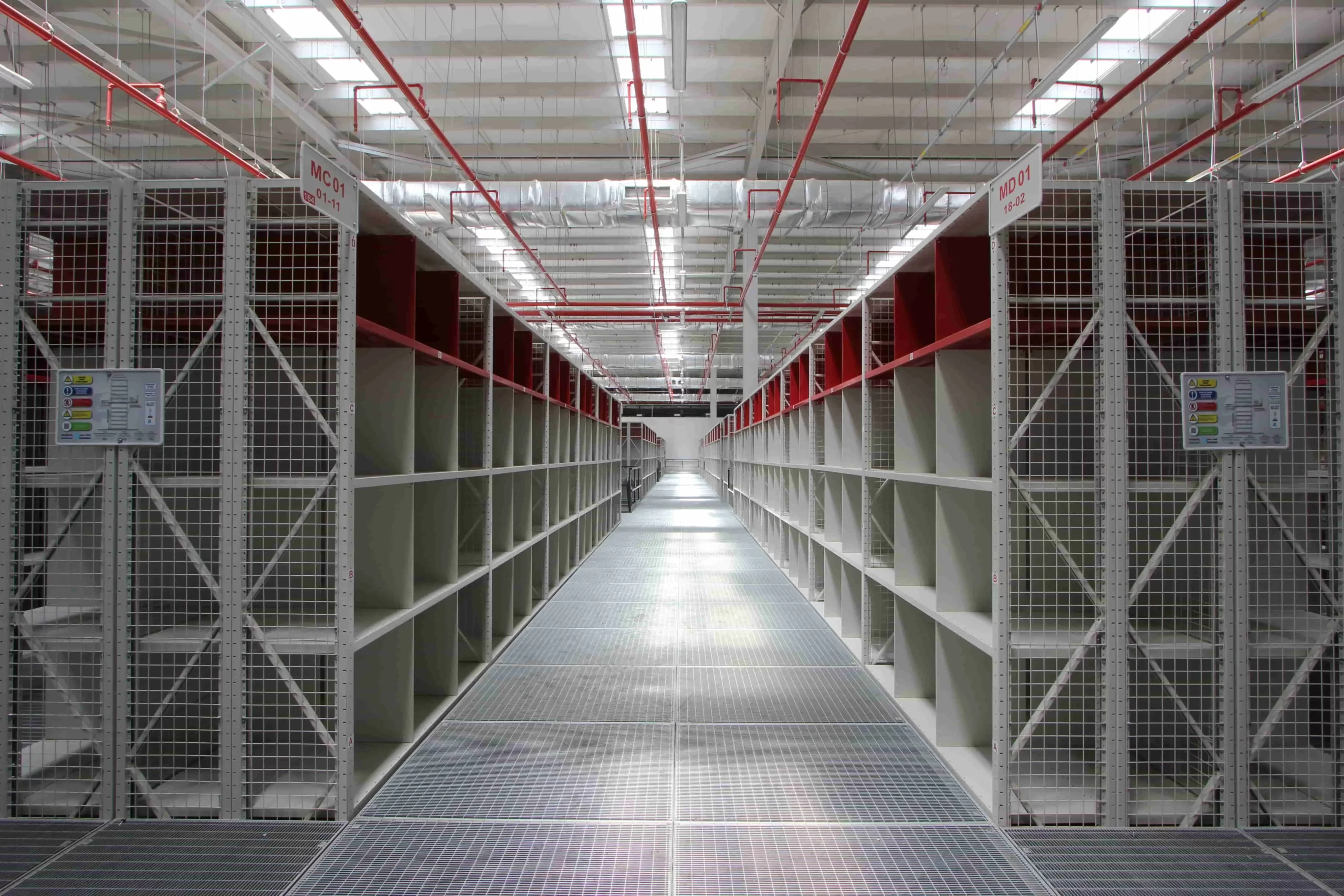
Good archive storage reduces slow damage over time. Shelf depth should match typical object sizes so items do not bend or overhang. Label zones should be built into the plan so location IDs remain consistent and staff do not rely on handwritten notes.
Security can also be supported by layout. High-value or sensitive items can be placed in dedicated bays with controlled routes, making accountability easier without slowing the whole room down.