

Pharmacy Storage Shelving in Egypt
Pharmacies and hospital stores don’t fail because they lack space. They fail because stock gets mixed, expired items hide in corners, and staff waste time searching under pressure.
This guide explains how to design pharmacy and hospital medication storage using shelving systems, drawers, and layouts that stay organized, hygienic, and scalable.
Table of Contents
- Storage needs by facility type (hospital, clinic, pharmacy)
- Core principles: hygiene, expiry control, speed, security
- Best shelving systems for high-SKU medical storage
- Layout planning steps (backroom + dispensary)
- Mini checklists for implementation
- Where LinkMisr fits
- FAQ
Storage needs by facility type
Hospital central store / pharmacy store
Typically handles large SKU ranges, frequent internal requests, and strict separation (released vs quarantined vs controlled). Storage must support fast retrieval and reliable location coding.
Medical center backroom
Often smaller, with limited space. The best results usually come from modular shelving plus dense small-item organization (bins/dividers/drawers) to avoid chaos as product lines grow.
Retail pharmacy stockroom
Needs quick restocking, clear expiry visibility, and safe storage for restricted items—without blocking staff movement or creating clutter.
Core principles for pharmacy & hospital medication storage
1) Hygiene and cleanability
- Keep aisles open and reduce “overflow zones” that collect dust.
- Use organization accessories (dividers, bins, drawers) to keep packs contained.
- Make cleaning access part of the design, not an afterthought.
2) Expiry control you can actually follow
Expiry control fails when storage doesn’t support it physically. FEFO becomes easier when:
- Each SKU has a defined home location (or a controlled set of locations).
- Open cartons are limited and clearly marked.
- Labels show expiry-sensitive categories clearly.
3) Speed under pressure
In healthcare settings, searching time becomes service time. The layout should reduce steps:
- Fast movers at ergonomic height (not on the floor, not above head level).
- Logical grouping by therapeutic class or internal category system.
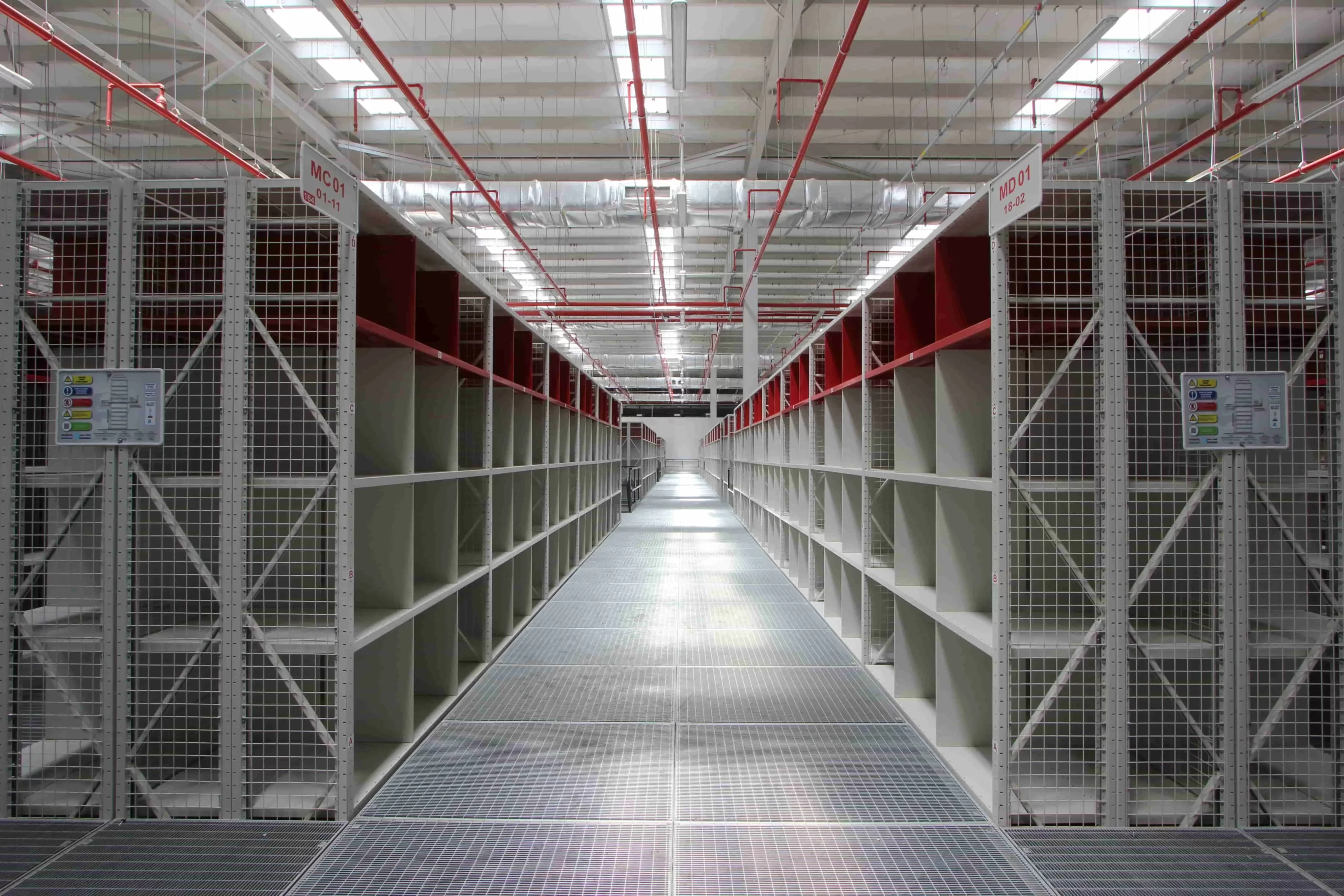
- Clear, consistent location IDs for quick training and fewer mistakes.
4) Security and access control
Some items require restricted access. Storage can support this with:
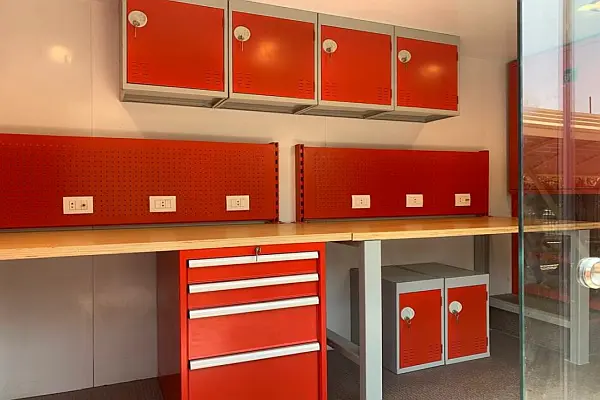
- Lockable cabinets/drawers or controlled sections
- Access-managed aisles (where relevant)
- Clear separation between “controlled” and “general” inventory
Best shelving systems for high-SKU medical storage
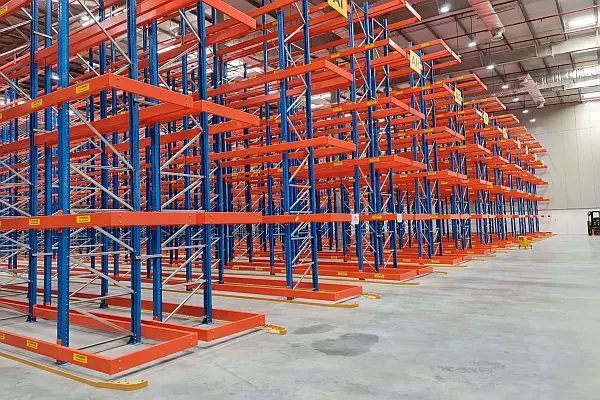
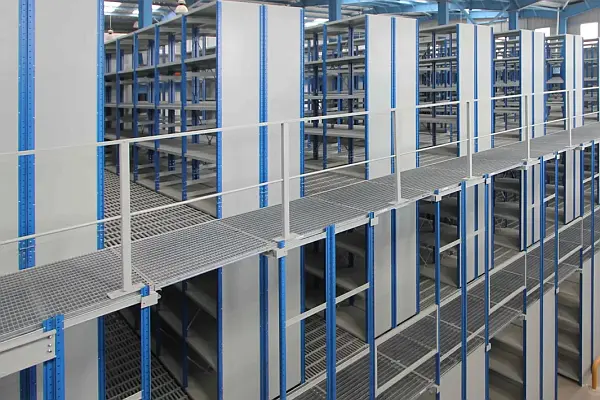
Modular shelving (the backbone for most facilities)
Modular shelving works well because it can be adjusted or extended as product lines change—without rebuilding the whole store.
Drawers and pharmacy-specific organization
Drawers support dense, clean, and error-resistant storage—especially for small packs and frequently dispensed items. They also make counting and replenishment easier.
Small-parts bins + dividers
Ideal for clinics and medical centers that stock many SKUs in limited space. A good bin strategy prevents “mixing” and makes expiry checks faster.
Mobile shelving (when space and security matter)
In tight backrooms, mobile shelving can increase capacity by reducing fixed aisles. It can also support access control features as part of the storage design.
For LinkMisr’s pharma-oriented shelving options, you can reference: Pharmaceutical sector storage.
Layout planning steps (backroom + dispensary)
Step 1: Split stock into functional groups
- Fast movers (daily dispensing)
- Medium/slow movers
- Chilled items (if applicable)
- Restricted items
- Returns / quarantine
Step 2: Design “two-speed storage”
Most facilities work better when you separate:
- Pick/dispense zone: tidy, fast access, small-item organization
- Reserve zone: bulk cartons, lower-touch inventory
Step 3: Choose your grouping logic
Pick one system and apply it consistently:
- By therapeutic category
- By dosage form (tablets, syrups, injectables)
- By internal department or clinic type
Step 4: Make expiry checks easy
- Keep expiry-sensitive items in clearly identified locations.
- Use shelf tags that allow quick visual scanning.
- Set a defined place for short-dated items to prevent “hidden expiry.”
Step 5: Train the layout, not just the staff
If the layout “forces” the right behavior (clear zones, clear locations, minimal overflow), training becomes faster and errors drop naturally over time.
Mini checklists for implementation
Checklist A: Quick wins you can apply immediately
- Remove mixed storage (one shelf = one SKU family where possible).
- Create a visible quarantine shelf/cabinet (separate and labeled).
- Standardize location labels and shelf heights for faster onboarding.
- Move fast movers to the easiest reach zone.
Checklist B: What to tell a shelving supplier (so you get the right design)
- Room dimensions and available wall lengths
- SKU count + fast movers list
- Preferred organization method (category/dosage/internal)
- Security needs (restricted items, lockable areas)
- Chilled/ambient requirements (if any)
- Future growth expectations (new lines, new clinics, expansion)
Where LinkMisr fits
LinkMisr provides adaptable pharmaceutical storage solutions designed for facilities that need clean organization, strong expiry control, high SKU capacity in limited space, and options for controlled access storage.
- LinkMisr home (products and services overview)
- Pharmaceutical sector page (pharma storage approach and options)
Conclusion
Good pharmacy storage shelving protects patients and staff time. When your layout supports clean zones, expiry discipline, and secure access, operations become calmer and more reliable—even during peak pressure.
Next step: For a shelving layout that matches your SKU profile and space limits, contact LinkMisr.
FAQ
What shelving is best for a pharmacy stockroom with many SKUs?
Modular shelving plus drawers/bins typically works best for high SKU density, because it keeps items separated, visible, and easy to count.
How can hospitals reduce medication picking errors?
Use clear location codes, consistent labeling, controlled “pick faces,” and a layout that reduces mixing—especially for look-alike packaging.
Do pharmacies need a quarantine area?
Yes. Even a small, clearly separated shelf or cabinet helps prevent returns or questionable stock from being dispensed accidentally.
How do you manage expiry dates more reliably?
Support FEFO with defined locations, limited open cartons, and a process for short-dated items so they don’t get buried.
When does mobile shelving make sense in healthcare storage?
When space is tight and you need higher density, or when you want storage that can support access control by design.